Top 10 Benefits of Using Lithium Batteries for Your Devices in 2023
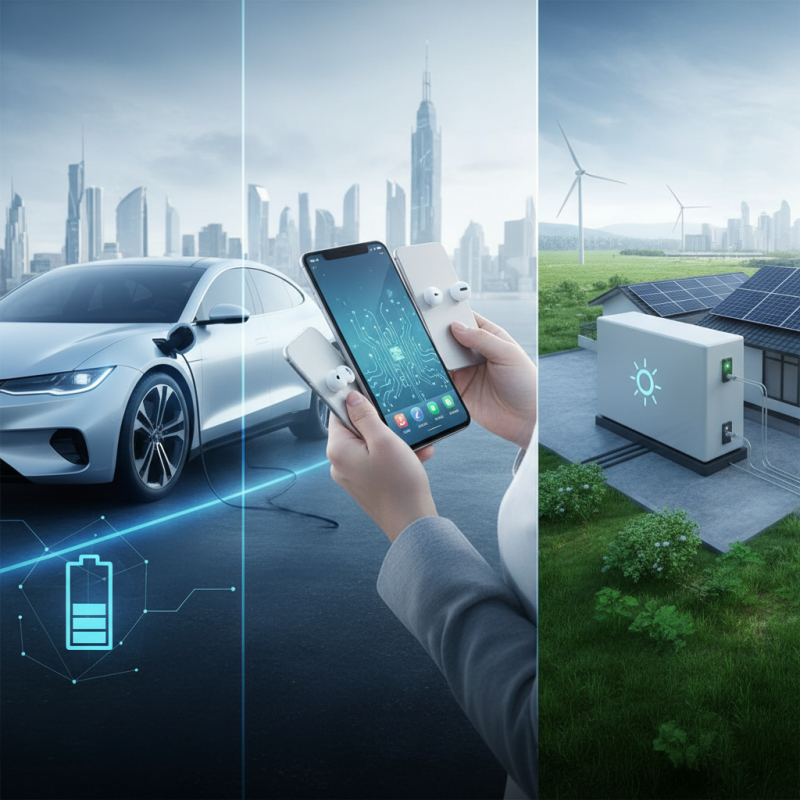
In recent years, lithium batteries have emerged as a leading power source, revolutionizing how we use technology across various devices. According to a market report by ResearchAndMarkets, the global lithium-ion battery market is expected to grow from $44.2 billion in 2021 to $129.3 billion by 2028, illustrating a compound annual growth rate (CAGR) of 17.5%. This remarkable growth highlights not only the increasing demand for portable electronic devices but also the expanding applications in electric vehicles and renewable energy storage.
Dr. Emily Thompson, a renowned expert in the lithium battery industry, emphasizes the significance of this trend: “The evolution of lithium battery technology has made it possible to achieve higher energy densities, longer cycle lives, and greater efficiency, which are crucial for the future of sustainable energy solutions.” The benefits of lithium batteries extend beyond mere convenience; they offer exceptional energy storage capabilities, reduced environmental impact, and improved safety features compared to traditional battery technologies.
As we delve into the top ten benefits of using lithium batteries for your devices in 2023, it becomes evident that they are not just a temporary solution but a cornerstone of technological advancement. Their lightweight nature, rapid charging times, and long lifespan make lithium batteries an indispensable asset for consumers and industries alike, shaping the way we interact with the world around us.
Advantages of Lithium Batteries Compared to Traditional Battery Types
Lithium batteries have emerged as a superior alternative to traditional battery types such as nickel-cadmium (NiCd) and lead-acid batteries. One of the most significant advantages of lithium batteries is their high energy density. According to a report by the International Energy Agency, lithium batteries can store nearly three times the energy per unit of weight compared to lead-acid batteries. This makes them ideal for portable devices where minimizing weight is crucial.
Additionally, lithium batteries exhibit a low self-discharge rate, often around 2-3% per month, compared to 15-20% for NiCd batteries. This means that devices powered by lithium batteries maintain their charge significantly longer when not in use. Furthermore, lithium batteries support a higher number of charge and discharge cycles—up to 2000 cycles—before a noticeable decline in performance, whereas traditional batteries generally last for only 500 cycles. This longevity translates to lower costs over time as fewer replacements are needed.
**Tips:** When choosing lithium batteries, ensure to check for compatibility with your device's specifications for optimal performance. Additionally, consider investing in a quality charging system to maximize the lifespan of your batteries. Always store lithium batteries in a cool and dry environment to maintain their efficiency and safety.
Top 10 Benefits of Using Lithium Batteries for Your Devices in 2023 - Advantages of Lithium Batteries Compared to Traditional Battery Types
| Benefit |
Lithium Batteries |
Traditional Batteries |
| Higher Energy Density |
Up to 150 Wh/kg |
40-70 Wh/kg |
| Longer Lifespan |
Up to 3000 cycles |
500-1000 cycles |
| Lightweight |
Yes |
No |
| Low Self-Discharge Rate |
Over 5% |
Up to 20% |
| Fast Charging Capability |
Yes |
Limited |
| Wider Operating Temperature Range |
-20°C to 60°C |
0°C to 40°C |
| Environmentally Friendly |
Less harmful |
More toxic |
| Better Performance at High Drain |
Excellent |
Poor |
| Higher Voltage Output |
3.7V |
1.2V or 1.5V |
| Lower Maintenance |
No periodic maintenance |
Regular maintenance needed |
Enhanced Energy Density for Longer Device Usage
Lithium batteries have rapidly become the preferred power source for numerous devices, and one of the standout advantages is their enhanced energy density. With a typical energy density ranging from 150 to 200 Wh/kg, lithium batteries can store substantially more energy in a smaller space compared to traditional battery technologies like nickel-cadmium or lead-acid batteries.
This characteristic is particularly beneficial for portable electronics, electric vehicles, and renewable energy systems, where space and weight are at a premium. For instance, a study by the International Energy Agency in 2022 indicated that the energy density of lithium batteries allowed electric vehicles to achieve ranges exceeding 300 miles on a single charge, a significant improvement that boosts consumer confidence and broadens adoption.
Moreover, the advancements in lithium battery technology have enabled longer device usage times, a pivotal factor for the increasing demand in our gadget-driven society. A report by the National Renewable Energy Laboratory highlighted that advancements such as solid-state designs are expected to push energy density to over 300 Wh/kg in the coming years, further extending operational time for devices.
This enhancement not only reduces the frequency of recharging but also minimizes energy consumption, making devices more efficient. The extended lifespan and reliability of lithium batteries contribute directly to enhanced user experience, underscoring their critical role in powering the future of technology.
Improved Charging Speed and Efficiency in Daily Applications
In 2023, the demand for lithium batteries has surged, thanks largely to their enhanced charging speed and efficiency in daily applications. Lithium-ion technology has evolved to provide rapid charging capabilities, often achieving up to 80% charge in just 30 minutes, which is a significant improvement compared to older battery technologies. According to the International Energy Agency (IEA), lithium batteries are now powering a variety of devices, from smartphones to electric vehicles, providing users with the convenience and efficiency they crave.
One of the most significant advancements in lithium battery technology is the development of fast-charging protocols. These not only boost the charging speed but also help to extend the battery life by preventing overheating and reducing stress during the charging cycle. A report from Research and Markets indicates that the global lithium-ion battery market is expected to reach USD 100 billion by 2025, highlighting the growing reliance on this technology for efficient energy storage and management.
Tips for maximizing your lithium battery's charging efficiency include avoiding prolonged exposure to high temperatures, which can degrade performance over time. Additionally, using a charger specifically designed for lithium batteries can optimize the charging process and ensure longevity. Finally, consider adopting charging habits, such as partially charging your device frequently, which can also improve the overall lifespan of your battery.
Greater Lifespan and Durability of Lithium Batteries
Lithium batteries have become increasingly popular in various devices, primarily due to their exceptional lifespan and durability. According to the International Energy Agency, lithium-ion batteries can last up to 10 years or more, depending on usage and charging conditions. This significantly surpasses the lifespan of traditional nickel-cadmium (NiCd) or nickel-metal hydride (NiMH) alternatives, which typically average about 3 to 5 years. The enhanced longevity of lithium batteries not only offers consumers more value but also reduces the frequency of replacements, contributing to lower electronic waste.
Moreover, lithium batteries demonstrate superior performance under a range of conditions, which further highlights their durability. A study published in the Journal of Power Sources indicated that lithium-ion technologies maintain over 80% of their capacity even after 1,000 charge-discharge cycles. This resilience is particularly beneficial for portable devices that undergo frequent recharging. Additionally, advancements in battery management systems have improved the efficiency and safety of lithium batteries, enabling devices to handle higher loads and operate at optimal levels for longer periods without degrading. Overall, these attributes make lithium batteries a leading choice for modern technology, particularly in an era where sustainability and efficiency are paramount.
Environmental Impact and Sustainability Considerations of Lithium Technology
The environmental impact and sustainability of lithium battery technology have become increasingly significant considerations in recent years. As the demand for portable devices and electric vehicles grows, it is essential to evaluate how lithium batteries affect our planet. One noteworthy advantage of lithium batteries is their energy density, which allows for longer-lasting power without increasing the size of devices. This efficiency translates into lower energy consumption over time, minimizing the carbon footprint associated with charging and using these devices.
However, the sustainability of lithium technology goes beyond just energy efficiency. The lifecycle of lithium batteries—including extraction, production, usage, and disposal—raises questions about its environmental implications. Sustainable practices, such as recycling programs and the development of newer technologies that reduce reliance on lithium extraction, are crucial to mitigating these impacts. Companies are increasingly focusing on responsible sourcing of raw materials and investing in recycling technologies to ensure that lithium batteries can be reused and repurposed, thus contributing to a circular economy. This shift not only helps in reducing waste but also conserves natural resources, promoting a more sustainable future for battery technology.