Best Low-Speed Vehicle Battery Options for Optimal Performance?
When considering the world of low-speed vehicles, choosing the right battery is essential. Low-speed vehicle batteries come in various types, each with unique features. The right battery can enhance performance and extend vehicle life.
Many options exist for low-speed vehicle battery selection. Lithium-ion batteries offer great energy density and longer life. However, they can be costly and require careful management. Lead-acid batteries are more affordable but may not sustain long-term performance.
Reflection is key in this decision. Are you prioritizing cost or longevity? Each choice impacts performance and efficiency differently. Balancing these factors is not always straightforward. Assessing your specific needs will lead to a more informed choice.
Understanding Low-Speed Vehicles and Their Battery Requirements
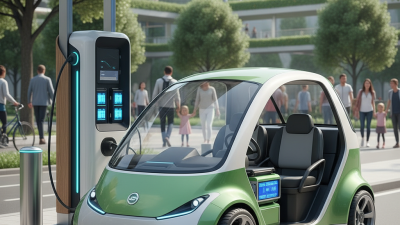
Low-speed vehicles (LSVs) serve specific needs. They are designed for short trips. Commonly seen in neighborhoods, golf courses, and campuses, these vehicles are energy-efficient. However, their performance hinges largely on their battery systems. Understanding battery requirements is vital for optimal performance.
Batteries in LSVs must support low-speed operation. They typically require deep-cycle batteries. These batteries can handle repeated discharging and recharging. However, challenges often arise. Some batteries may not last as long as advertised. Users might face difficulties finding compatible options. The maintenance of these batteries requires attention, too. Periodic checks and proper care can enhance lifespan and reliability.
Considering the weight of the vehicle and the intended distance is crucial. A well-matched battery can vastly improve efficiency. Inadequate power can lead to frustrating scenarios, such as being stranded unexpectedly. Therefore, investment in a good quality battery proves essential. Reflecting on personal experiences and user reviews can guide better choices.
Types of Batteries Suitable for Low-Speed Vehicles
When considering battery types for low-speed vehicles, lead-acid batteries often come to mind. They are widely used and relatively affordable. Lead-acid batteries can deliver robust performance, even in colder climates. Their heavy weight can be a drawback, but they are durable and can last several years with proper care.
Another option is lithium-ion batteries. They are lighter and more efficient than lead-acid. This means better acceleration and longer ranges. However, they can be more expensive upfront. The charging time for lithium batteries is shorter, which adds convenience.
Nickel-metal hydride batteries present a middle ground. They offer a balance of performance and cost. However, their longevity can vary significantly depending on usage. Many users overlook the importance of regular maintenance. Without it, performance may decline. Choosing the right battery involves assessing all these factors for optimal performance.
Factors Affecting Battery Performance in Low-Speed Applications
When it comes to low-speed vehicles, battery performance plays a crucial role. Factors such as temperature, charge cycles, and discharge rates significantly impact overall efficiency. For example, studies indicate that extreme temperatures can reduce capacity by up to 20%. This drop affects vehicle range and operational reliability.
Tip: Monitor battery temperature regularly to maximize performance. Keeping batteries in a stable environment enhances life expectancy.
Charge cycles also matter. Frequent partial discharging can lead to sulfation, reducing battery efficiency over time. Research shows that maintaining a charge between 20% to 80% can extend battery lifespan significantly.
Tip: Avoid deep discharges. Instead, aim for shallow cycling for better health.
Finally, the type of battery chemistry can influence performance. Lead-acid batteries, while common, may struggle compared to lithium-ion options. Lithium-ion batteries provide better energy density and charge efficiency. However, they come at a higher cost. Choosing the right battery is key.
Tip: Evaluate your specific needs before making a decision.
Best Low-Speed Vehicle Battery Options for Optimal Performance
| Battery Type |
Voltage (V) |
Capacity (Ah) |
Weight (lbs) |
Cycle Life (Cycles) |
Application |
| Lead-Acid |
12 |
100 |
65 |
300 |
Golf Carts |
| AGM |
12 |
80 |
50 |
600 |
Utility Vehicles |
| Lithium Iron Phosphate |
12 |
100 |
35 |
2000 |
Low-speed Electric Vehicles |
| Gel |
12 |
90 |
60 |
500 |
Mobility Scooters |
Top Battery Brands for Low-Speed Vehicles Reviewed
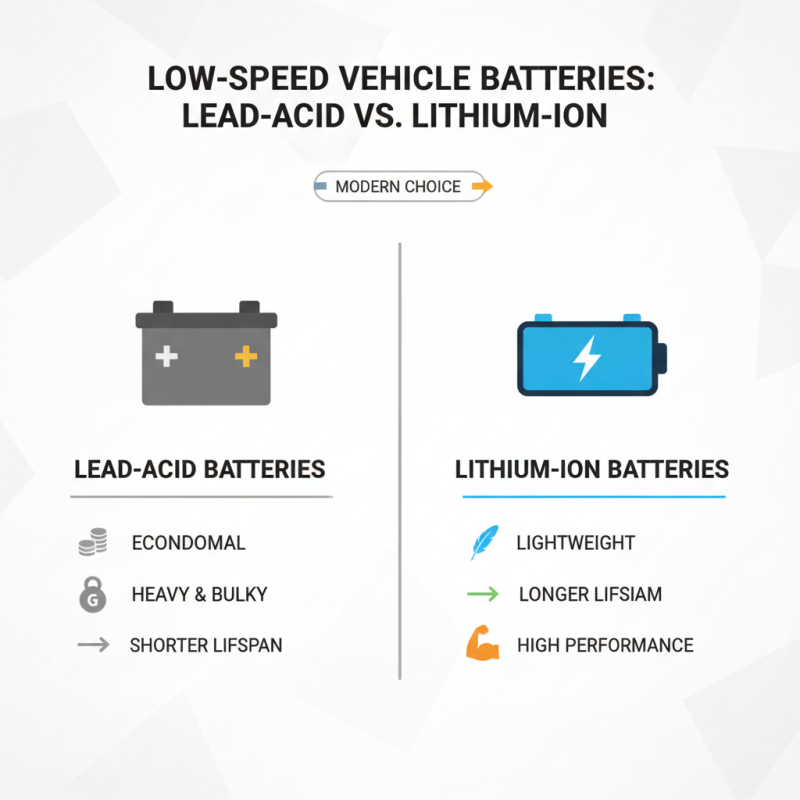
When considering battery options for low-speed vehicles, performance is key. Various battery types, such as lead-acid and lithium-ion, provide distinct advantages. Lead-acid batteries are traditional and economical, but they can be heavy. Their lifespan is shorter compared to lithium-ion batteries. Lithium-ion batteries are lightweight and have a longer lifespan, making them popular.
Some brands offer reliable batteries tailored for low-speed vehicles. They focus on safety and efficiency, ensuring drivers can enjoy their vehicles without worry. However, some users report issues with charge retention in certain brands. This can affect usability, especially during long drives.
In terms of maintenance, some options require regular checks, while others are more low-maintenance. Paying attention to the needs of the battery is essential. Not every option suits every driver. Understanding the specific requirements can lead to better choices. Each model has strengths and weaknesses, which should be carefully weighed.
Best Practices for Maintaining Low-Speed Vehicle Batteries
Maintaining low-speed vehicle batteries is crucial for optimal performance. Regular care can extend battery life and enhance efficiency. Check battery connections often. Loose connectors can lead to poor performance. Keep the terminals clean. Corrosion can significantly reduce battery effectiveness.
Tip: Regularly inspect the battery case for any cracks or leaks. A compromised case can result in power loss or complete failure. If you notice any damage, replace the battery promptly.
Understand the charging requirements. Overcharging can cause damage. Below the ideal voltage can lead to insufficient power. Always use an appropriate charger. Pay attention to the manufacturer's guidelines.
Tip: Investing in a battery maintainer can help. It prevents overcharging while keeping the battery topped up. Regular maintenance promotes longevity. Remember, neglecting these practices can lead to frustrating breakdowns. Each check, each proper charge counts toward better performance.
Battery Performance of Low-Speed Vehicles