How to Choose the Best Lithium Iron Phosphate Battery for Your Needs?
Choosing the right Lithium Iron Phosphate Battery (LiFePO4) is crucial for various applications. These batteries are gaining popularity due to their longevity and safety. Reports suggest that the market for lithium-ion batteries, including LiFePO4, is projected to reach $100 billion by 2027. This growth is driven by the push for renewable energy and electric vehicles.
LiFePO4 batteries have a notable cycle life of over 2000 charge cycles. They boast a thermal stability that reduces fire risk, unlike traditional lithium-ion batteries. However, they typically have a lower energy density. This trade-off can be significant, depending on specific needs.
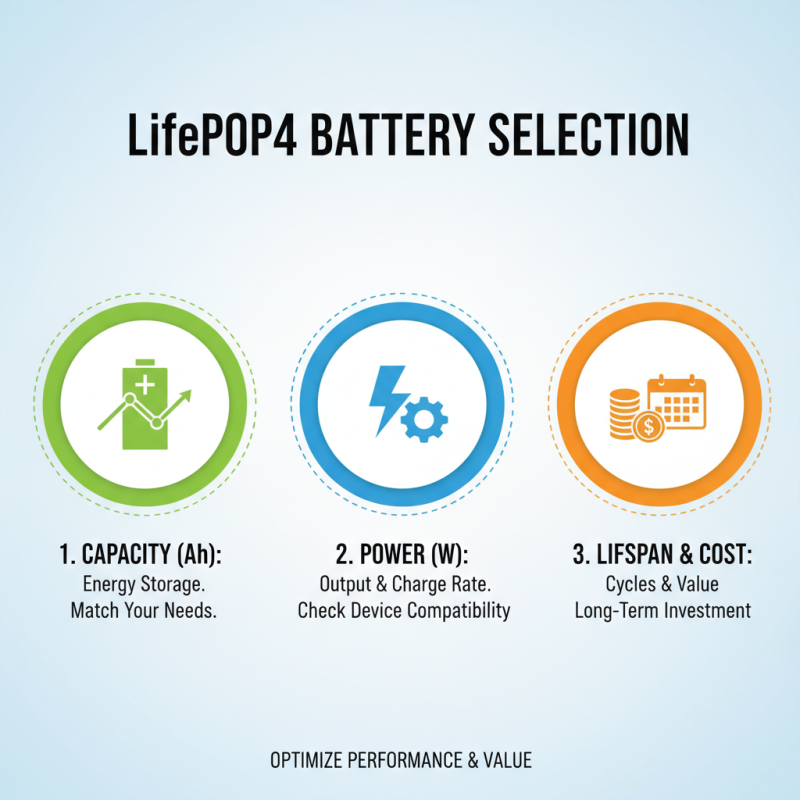
When selecting a Lithium Iron Phosphate Battery, consider factors like capacity, weight, and discharge rates. Each application may require different specifications. Understanding these details can minimize future regrets. Always compare options and consult reliable sources before purchasing.

Understanding Lithium Iron Phosphate Battery Technology
Lithium iron phosphate (LiFePO4) batteries are a popular choice in energy storage. Their chemistry makes them stable and safe. This stability leads to longer life cycles compared to other lithium batteries. They can endure higher temperatures. However, they have a lower energy density. This means they may not always be the best option for compact applications.
When choosing a LiFePO4 battery, consider the specific needs of your application. The battery’s size, weight, and capacity are crucial factors. They should align with your usage demands. Understanding the discharge rate is also important. A battery that discharges too slowly will not meet power requirements. However, faster discharge rates can shorten battery life, leading to a real dilemma.
Analyzing performance feedback is essential. Real-world experiences may highlight aspects that specifications overlook. Some users find LiFePO4 batteries underperform in cold weather. Others report slower charging times. These reflections are vital for informed decisions. They remind us that no battery is perfect. Balancing pros and cons will guide your selection process.
Comparison of Lithium Iron Phosphate (LiFePO4) Batteries
| Model |
Voltage (V) |
Capacity (Ah) |
Cycle Life (Cycles) |
Weight (kg) |
Dimensions (mm) |
Application |
| Model A |
12.8 |
100 |
3000 |
12 |
330 x 175 x 220 |
Solar Systems |
| Model B |
12.8 |
200 |
3500 |
24 |
400 x 200 x 230 |
Electric Vehicles |
| Model C |
25.6 |
50 |
2500 |
7 |
270 x 170 x 210 |
Backup Power |
| Model D |
48 |
100 |
4000 |
30 |
500 x 300 x 220 |
Marine Applications |
| Model E |
12.8 |
150 |
2000 |
18 |
370 x 200 x 210 |
Robotics |
Key Factors to Consider When Selecting a Lithium Iron Phosphate Battery
When selecting a lithium iron phosphate (LiFePO4) battery, several key factors come into play. Capacity is vital. It determines how much energy the battery can store. A higher capacity often means longer usage times. However, consider your actual energy needs carefully. Overestimating requirements can lead to wasted investment.
Another important aspect is cycle life. LiFePO4 batteries generally offer a longer cycle life compared to other lithium batteries. This means you can recharge them more times. Look for specifications that provide clear details on cycle durability. A battery that claims high cycles but lacks clarity may not be reliable.
Tips: Always check the discharge rate. This informs you about how fast the battery can deliver power. For high-drain applications, a higher discharge rate is essential. Additionally, inspect the thermal management features. Poor thermal regulation can lead to performance issues and reduce lifespan.
Battery weight and size matter too. Depending on your application, the physical dimensions can impact installation. Opt for a battery that fits well within your setup without sacrificing quality. It’s crucial to recognize that while more expensive options may promise better performance, the real value lies in aligning the battery’s specifications with your unique requirements.
Comparing Capacity, Voltage, and Cycle Life in Battery Selection
When selecting a lithium iron phosphate battery, it’s crucial to analyze capacity, voltage, and cycle life carefully. Capacity, measured in amp-hours (Ah), indicates how much energy a battery can store. A unit with higher capacity will last longer between charges. However, higher capacity often means larger size and weight. Determine what fits your needs based on size constraints and power requirements.
Voltage is another critical factor. Lithium iron phosphate typically has a nominal voltage of 3.2V per cell. Ensure the voltage of the battery aligns with your device specifications. Mismatched voltage can lead to performance issues. If you're uncertain, consult a professional for advice on compatibility.
**Tips:** Check the manufacturer’s specifications for real-world performance. Often, advertised numbers do not reflect actual experience. Cycle life, the number of charge-discharge cycles before significant capacity loss, varies between products. A battery may seem affordable but could require premature replacement. Assess your long-term usage to avoid unexpected expenses later. Evaluating both specifications and actual reviews is essential for making a wise choice.
Evaluating Battery Safety Ratings and Certifications
When evaluating lithium iron phosphate (LiFePO4) batteries, safety ratings and certifications are critical factors to consider. These ratings indicate how well a battery can withstand stress and potential hazards. Basic certification standards include IEC 62133 and UN 38.3. These standards ensure the battery can perform safely during transportation and usage. It's essential to look for these certifications when making a choice.
Safety ratings are not just a checklist; they provide peace of mind. A battery with a high safety rating has undergone rigorous testing. It offers a greater assurance against risks like thermal runaway. However, it's important to remember that even certified batteries can fail if not handled correctly. Factors like improper charging, exposure to extreme temperatures, or physical damage can compromise safety.
Do not overlook the importance of detailed specifications in the battery's datasheet. These specifications can shed light on the battery's performance under real-world conditions. They allow for informed choices that align with specific needs. Pay attention to the operating temperature range, cycle stability, and discharge ratings. Each of these details plays a role in overall safety and efficiency. Understanding these factors can prevent future frustrations and enhance the battery's longevity.
Comparative Analysis of Lithium Iron Phosphate Battery Safety Ratings
Identifying Your Specific Energy Needs and Usage Scenarios
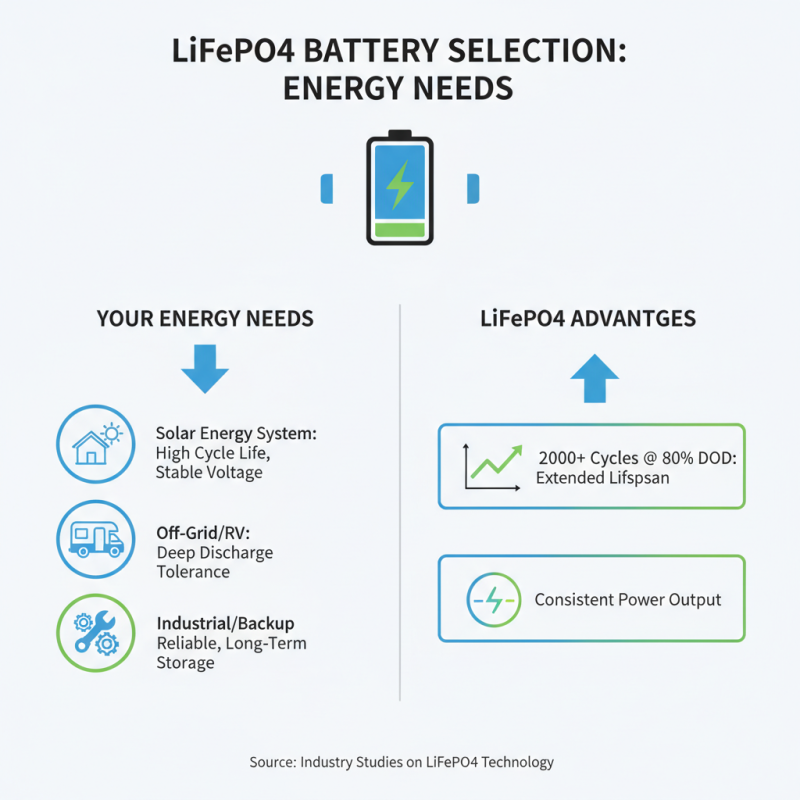
When selecting a lithium iron phosphate (LiFePO4) battery, understanding your specific energy needs is vital. Different applications require varying energy capacities. For example, solar energy systems often demand batteries with high cycle life and stable voltage. According to industry studies, LiFePO4 batteries can deliver over 2000 cycles at 80% depth of discharge. This makes them suitable for long-term energy storage.
Usage scenarios greatly influence battery choice. Electric vehicles typically benefit from the fast discharge capabilities of LiFePO4 batteries. They can sustain high currents, offering improved performance during acceleration. With a nominal voltage of 3.2V, these batteries also provide consistent energy levels throughout their discharge cycle. However, they may not be ideal for applications requiring extremely high energy density, such as portable electronic devices.
Furthermore, consider your environmental conditions. LiFePO4 batteries perform exceptionally well in extreme temperatures. However, they are heavier compared to other lithium battery types. This could impact portability for certain applications. Analyzing these factors can guide you in making a well-informed decision tailored to your energy needs.