2026 How to Choose Rechargeable Lithium Batteries for Your Needs?
In today's world, the demand for sustainable energy solutions is growing rapidly. Rechargeable lithium batteries have emerged as a popular choice, powering various devices, from smartphones to electric vehicles. However, selecting the right rechargeable lithium batteries can be a daunting task. Numerous brands and specifications exist, and understanding them is essential.
Consumer needs vary significantly. Some may prioritize performance, while others focus on budget or environmental impact. Recognizing these factors is crucial for making an informed decision. Potential users often struggle with information overload; with various options available, making the right choice can become complex and overwhelming.
Experts suggest considering key features such as capacity, charge cycles, and safety ratings. Knowing how these elements affect battery life and efficiency contributes to a better user experience. With careful thought and research, individuals can find the perfect rechargeable lithium batteries to meet their specific requirements. This decision can lead to enhanced performance and satisfaction in everyday use.
Understanding Lithium Battery Chemistry and Types
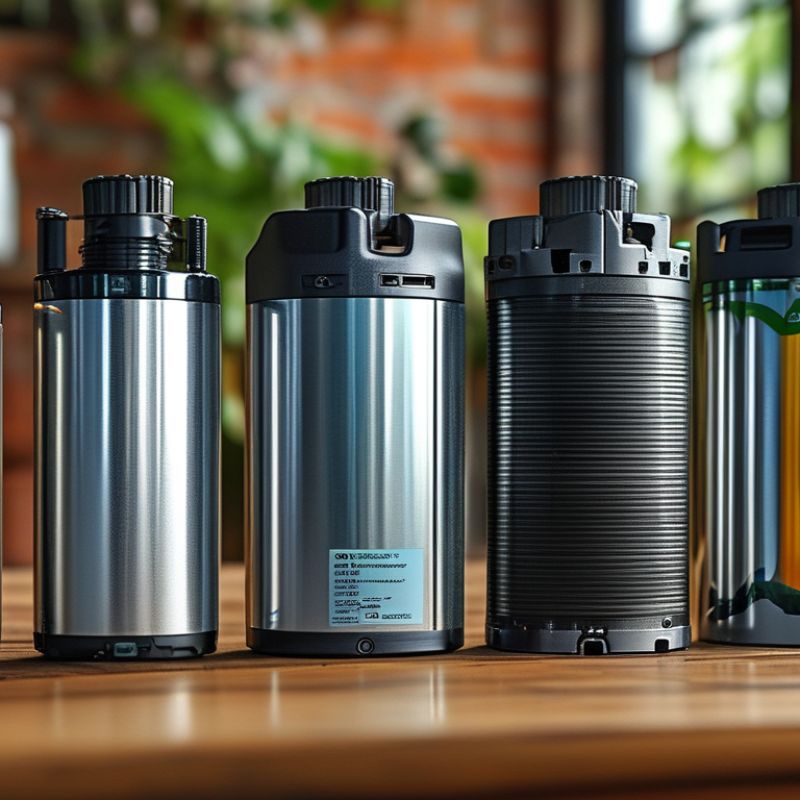
Lithium batteries have become essential in our daily lives, powering everything from smartphones to electric vehicles. Understanding the chemistry behind lithium batteries can help purchasers make informed decisions. Lithium ion and lithium polymer are two common types of rechargeable batteries. Lithium ion batteries are known for their high energy density and long life cycles. They excel in consumer electronics and electric vehicles, making them a popular choice. On the other hand, lithium polymer batteries are lighter and can be shaped into various forms. This flexibility makes them suitable for compact devices.
The chemistry of these batteries revolves around lithium's ability to move easily between the positive and negative electrodes. This movement generates energy. However, it's crucial to note that these batteries can be sensitive to temperature fluctuations. Extreme heat or cold may reduce their efficiency or lifespan. Some users may not realize the importance of proper charging habits. Overcharging or leaving batteries fully discharged can cause irreversible damage.
As the market evolves, high-capacity lithium batteries are becoming more prevalent. Yet, many consumers may overlook their environmental impact. While rechargeable, improper disposal can lead to harmful waste. This negligence can result in critical environmental issues. Making informed choices about lithium batteries requires awareness of not just performance but their broader implications as well.
Evaluating Capacity and Voltage for Your Specific Applications
When selecting rechargeable lithium batteries, capacity and voltage play crucial roles. Capacity, measured in milliamp-hours (mAh), indicates how long a battery can power a device before requiring a recharge. A higher capacity means more usage time, but it also adds weight.
Consider your typical usage patterns. If you often use devices for long periods, opt for batteries with a higher capacity.
Voltage is another vital factor. Standard lithium batteries typically operate at 3.7 volts. However, specific applications may require different voltages. For instance, high-drain devices might demand batteries that provide a sustained power output.
Always check the voltage compatibility with your device. Mixing incompatible voltage levels can lead to reduced performance or potential damage.
It’s also essential to reflect on the trade-offs between capacity and voltage. Choosing a higher capacity battery might come at a higher price. Conversely, lower voltage batteries could underperform in demanding situations.
Think about your priorities carefully. It's about finding the right balance for your specific needs.
Analyzing Cycle Life and Discharge Rates for Longevity
When selecting rechargeable lithium batteries, understanding cycle life and discharge rates is crucial. Cycle life refers to the number of complete charge and discharge cycles a battery can undergo before its capacity diminishes significantly. Reports state that high-quality lithium batteries can achieve over 500 cycles, providing users with extended longevity. In contrast, lower-quality options might fall short, delivering less than 200 cycles. This discrepancy highlights the importance of investing in reliable batteries.
Discharge rates also play a vital role. They indicate how swiftly a battery can release its energy. For example, batteries with higher discharge rates are suitable for power-intensive devices, while those with lower rates work well for low-energy applications. A battery with a discharge rate of 10C can deliver ten times its rated capacity, making it efficient for high-drain devices.
Tips: Look for batteries with a balanced cycle life and discharge rate. Research specifications thoroughly. Pay attention to user reviews as they can reveal real-world performance. Consider environmental factors, like temperature, which can impact battery life. Remember, not all batteries will meet promises; testing different ones might be necessary. The right choice can significantly enhance your devices' performance.
2026 How to Choose Rechargeable Lithium Batteries for Your Needs?
This chart analyzes the cycle life and discharge rates of various lithium batteries, providing insights into their longevity and performance characteristics.
Choosing the Right Charger and Safety Features for Rechargeables
When selecting the right charger for your rechargeable lithium batteries, safety should be your top priority. Ensure the charger matches the battery's specifications. Mismatched voltage can lead to overheating or failure. Look for chargers with built-in safety features like short-circuit protection. This can help prevent dangerous situations.
Tips: Always check for signs of wear on your charger. Damaged cables can create hazards. Consider investing in a smart charger that automatically adapts to battery needs. This technology prevents overcharging.
Also, pay attention to safety certifications. A reliable charger will have certifications such as UL or CE. These labels indicate that the product meets safety standards. Regularly inspect your batteries, too. Swelling or leaks are signs they need replacement. Never ignore these signs, as they can lead to serious risks. Make informed choices for a safer charging experience.
Assessing Environmental Impact and Recycling Options for Lithium Batteries
When choosing rechargeable lithium batteries, considering environmental impact is crucial. Lithium batteries can be harmful if not disposed of properly. Their components can contaminate soil and water. This makes recycling a vital process. It helps minimize waste and reduce pollution.
Recycling options for lithium batteries are becoming more accessible. Many communities now have designated drop-off locations. Some companies offer mail-in recycling programs. These steps can promote responsible disposal. However, public awareness about these options is still lacking. Many consumers remain unaware of the importance of recycling.
There is room for improvement in recycling technology. Current methods can be inefficient, wasting valuable resources. Additionally, rare materials in batteries are often not fully recovered. Promoting more advanced recycling processes can enhance sustainability. It is essential to advocate for better practices in this field. Engaging consumers in the conversation can lead to more informed choices.
2026 How to Choose Rechargeable Lithium Batteries for Your Needs? - Assessing Environmental Impact and Recycling Options for Lithium Batteries
| Battery Type |
Capacity (mAh) |
Voltage (V) |
Cycle Life |
Environmental Impact Rating |
Recycling Options |
| Lithium Ion |
3000 |
3.7 |
500 |
Moderate |
Drop-off centers, Collection programs |
| Lithium Polymer |
2500 |
3.7 |
400 |
Low |
Manufacturer take-back, Recycling programs |
| Lithium Iron Phosphate |
2800 |
3.2 |
2000 |
Very Low |
Local recycling facilities, Community programs |
| Nickel Manganese Cobalt |
3500 |
3.6 |
600 |
High |
Specialized recycling services |