How to Choose the Best Flow Batteries for Your Needs?
Choosing the right flow batteries can be a daunting task. They play a crucial role in energy storage systems. Understanding your specific needs is essential before making a decision.
Flow batteries offer unique advantages. They provide scalability and long cycle life, which makes them suitable for various applications. However, not all flow batteries are created equal. You need to consider the chemistry, capacity, and efficiency of the battery. Also, prices can vary significantly from one option to another.
Reflecting on your usage will help. Think about whether you need batteries for residential or commercial use. Consider the energy demands and how often you'll need to cycle the batteries. Each choice comes with trade-offs. Taking the time to evaluate these factors will lead to a more satisfying purchase.
Understanding Flow Battery Basics and Functionality
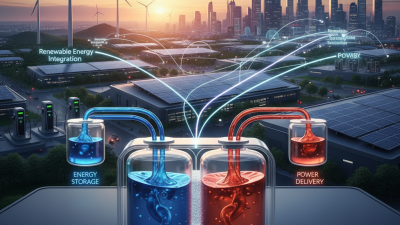
Flow batteries are an exciting technology that stores energy using liquid electrolytes. This unique design allows for easy scalability and long cycle life. They operate by circulating two electrolyte solutions through a cell and converting chemical energy into electrical energy. The key advantage is that they can be recharged with minimal degradation over time. This makes flow batteries a reliable option for renewable energy integration.
Understanding the functionality of flow batteries is crucial. They consist of two tanks filled with different electrolyte solutions. When the solutions flow through the cell, a chemical reaction occurs, generating electricity. This process can be reversed, allowing the battery to be recharged. Unlike traditional batteries, flow batteries provide flexibility in storage capacity by simply adjusting the size of the electrolyte tanks. However, their initial setup can be complex, and the efficiency may vary. Their design requires careful consideration of the materials used, as not all combinations yield the same performance.
When considering flow batteries, potential users must reflect on specific needs. Are you looking for a long-term energy solution? Do you have enough space for larger tanks? These questions can shape your decision. A thorough evaluation of the technology's advantages and shortcomings helps in making an informed choice. Each application may have unique requirements, so understanding these fundamentals is vital.
How to Choose the Best Flow Batteries for Your Needs?
| Battery Type |
Energy Density (Wh/L) |
Power Density (W/L) |
Cycle Life (Cycles) |
Efficiency (%) |
Cost ($/kWh) |
| Vanadium Flow Battery |
40-50 |
20-30 |
20000+ |
70-80 |
300-600 |
| Zinc-Bromine Flow Battery |
30-40 |
10-20 |
5000+ |
65-75 |
200-400 |
| All-Vanadium Flow Battery |
40-60 |
25-40 |
30000+ |
70-85 |
350-650 |
| Iron-Chromium Flow Battery |
20-30 |
10-15 |
10000+ |
60-70 |
150-300 |
| Organic Flow Battery |
25-35 |
15-20 |
3000+ |
65-75 |
250-450 |
Identifying Your Energy Storage Requirements
When considering flow batteries, start by identifying your energy storage requirements. Understand the specific applications you need energy storage for, whether it's renewable integration, demand response, or emergency backup. Each use case will significantly influence your battery choice. According to the U.S. Department of Energy, the energy density for flow batteries can vary widely, offering solutions for different scales from residential to industrial applications.
Capacity is another crucial factor. Flow batteries generally allow for scalable capacity. However, keep in mind that high capacity may lead to higher upfront costs. Evaluate how much energy you expect to store daily. Data from the International Energy Agency suggests that many users require between 5 to 20 MWh, tailoring your battery size accordingly can lead to better performance over time.
Tips: Ensure you conduct a lifecycle analysis. Assess longevity and degradation over time. A battery with a lifespan of 10 years may not be the best value if it performs poorly in year five. Additionally, consider the maintenance needs. A more complex system might require professional oversight, impacting your overall cost-effectiveness. Balancing these factors will help in making a more informed decision for your energy storage needs.
Assessing Different Flow Battery Technologies Available
When assessing different flow battery technologies, it’s crucial to understand your specific energy needs. Each technology has distinct features. Some are better suited for short-term applications, while others excel in long-duration energy storage. For example, vanadium redox batteries are known for their longevity and scalability. However, they can be more expensive and complex.
Another option is zinc-bromine flow batteries. These systems offer a more cost-effective solution but may have limitations in cycle life. Users should consider the trade-offs in efficiency and operational costs. Evaluating these aspects can be challenging. It's essential to ask the right questions. How often will you need to cycle the battery? What is the expected discharge time?
Additionally, environmental conditions and local regulations may impact your choice. Some flow batteries are better at operating in extreme temperatures. Understanding these nuances can help in making an informed decision. While there are many promising technologies available, each has its strengths and weaknesses that require careful consideration. The evolving nature of this field means staying updated is necessary.
Evaluating Cost and Efficiency Factors in Flow Batteries
When evaluating flow batteries, cost and efficiency are crucial factors. Flow batteries can be pricey upfront, but they often bring long-term savings. Installation costs may vary widely based on your location and energy needs. Assessing these costs thoroughly can help you make an informed decision.
Efficiency is another significant aspect. The round-trip efficiency should be a primary concern. This figure indicates how much energy can be stored and retrieved during use. Higher efficiency means less energy loss, a vital factor in long-term performance. An efficiency rate of over 70% is generally ideal, but this may vary depending on specific applications.
It’s also important to consider capacity. Think about your energy storage needs. A mismatched capacity could lead to wasted resources or insufficient power. Balancing cost, efficiency, and capacity often requires careful analysis and perhaps even adjustment of expectations. The right choice should be a blend of these factors, tailored for your situation.
Considerations for Installation and Maintenance Needs
When considering flow batteries, installation and maintenance are crucial aspects. Proper setup can significantly impact the battery's performance. According to a research report from BloombergNEF, flow batteries can offer a lifecycle of over 20 years if installed correctly. Conducting site assessments is essential. Factors such as space availability, temperature control, and safety protocols must be considered.
Regular maintenance checks are vital for optimal performance. A study by the National Renewable Energy Laboratory indicates that neglecting these checks can decrease efficiency by up to 30%. Keeping an eye on fluid levels and system components is necessary. Additionally, training for personnel who manage these systems is often overlooked. Continuous education ensures that the team can identify potential issues early.
Addressing challenges in installation can lead to better long-term investment returns. Often, companies underestimate the initial setup complexity. This can result in costly repairs later. Paying attention to local regulations and environmental standards is equally important. Missteps in compliance can hinder operation or increase expenses down the line. A robust maintenance protocol can mitigate these risks.
Flow Battery Performance Comparison
This chart compares the energy capacity, cycle life, and round-trip efficiency of several flow battery technologies, providing a visual representation to help you choose the best option for your needs.