10 Solar Battery Buying Tips for Global Buyers

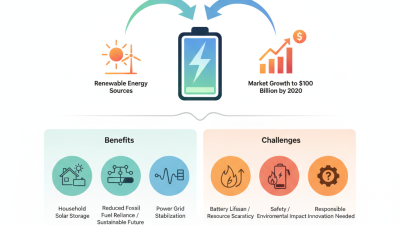
Solar Battery purchasing is moving from a niche decision to a mainstream energy investment. The International Energy Agency reports that global battery storage additions nearly doubled in 2023. Its Batteries and Secure Energy Transitions report also identifies storage as essential for integrating growing renewable generation. BloombergNEF recorded strong expansion in stationary storage during 2023, driven by falling lithium-ion prices and increasing grid flexibility needs.

However, a global buyer should not choose a Solar Battery by price alone. A 10 kWh label may provide less usable energy after reserve limits and conversion losses. Check usable capacity, round-trip efficiency, cycle life, warranty terms, and degradation assumptions. Lithium iron phosphate chemistry offers strong thermal stability and long cycle potential. Still, installation quality matters greatly. A poorly ventilated cabinet can perform differently from the same model tested in a laboratory.

Climate changes the decision. A coastal project may need corrosion protection, while a cold-region installation requires low-temperature charging controls. Confirm inverter compatibility, local grid requirements, emergency shutdown features, and relevant product certifications. Wood Mackenzie and the National Renewable Energy Laboratory both emphasize system integration, safety, and lifecycle performance when evaluating storage economics. Their findings support a broader purchasing view.

The checklist is not perfect. Real households rarely follow laboratory conditions. Daily loads change, and tariffs can be confusing. Buyers should request measured performance data, not vague marketing claims. They should also compare recycling arrangements, service response times, and installer experience. These ten Solar Battery buying tips help international purchasers ask sharper questions before committing capital to a system expected to operate for many years.
10 Solar Battery Buying Tips for Global Buyers

Establish Battery Size from Daily Load, DoD, and Peak-Power Data

Sizing a solar battery starts with measured demand, not the panel’s advertised capacity. Record appliance power, operating hours, and nighttime consumption for at least seven days. A 24-hour smart meter log is better than memory. Separate essential loads from flexible ones. Refrigeration, lighting, pumps, and medical equipment may need priority. Do not size from the daily average alone. A short evening peak can shape the whole system.

Calculate daily energy in kilowatt-hours, then adjust for the battery’s usable depth of discharge (DoD). For example, a 10 kWh battery at 80% DoD provides about 8 kWh before conversion losses. In practice, wiring, inverter, temperature, and aging reduce that figure. Allow a realistic reserve, especially where cloudy weather lasts several days. However, oversizing can leave the battery underused. That weakens value. Use local weather records and expected load growth, not fear-based estimates.

Peak power needs separate checking. A water pump may draw 1.5 kW continuously but surge above 3 kW at startup. Compare the inverter’s continuous and surge ratings with the highest simultaneous loads. I once treated a heater and pump as separate loads, although users ran them together. That small assumption changed the required inverter size. For global projects, confirm voltage, frequency, temperature range, service access, and installation standards with a qualified local professional. Keep a written load sheet and revise it after real usage data arrives. The first estimate is rarely perfect.

Compare Chemistries: LiFePO4 Commonly Exceeds 5,000 Cycles at 80% DoD

When comparing solar batteries, chemistry deserves more attention than advertised capacity. Lithium iron phosphate, or LiFePO4, commonly exceeds 5,000 cycles at 80% depth of discharge. That figure can support more than a decade of daily cycling. However, cycle claims depend on temperature, charging limits, discharge rate, and the battery management system. Read the test conditions.

In practical installations, LiFePO4 offers strong thermal stability and useful daily performance. It usually weighs less than lead-acid storage and tolerates deeper discharges. Lead-acid batteries may cost less initially, but frequent deep cycling can shorten their service life. Nickel-based lithium chemistries can provide higher energy density, yet they may require stricter thermal control. The best choice depends on climate, available space, backup duration, and replacement access.

Cycles are not promises. A battery operating beside a hot inverter may age faster than laboratory data suggests. Cold weather can also reduce charging performance, especially below the manufacturer’s stated limit. Ask suppliers for cycle-test results, usable capacity, warranty conditions, safety certifications, and recommended installation temperatures. Check whether the quoted 80% depth of discharge leaves enough energy for your evening loads. I have seen buyers focus on peak capacity, then discover poor winter output and unexpected shutdowns. That mistake is avoidable, but not every datasheet makes it obvious. Comparing measured usable energy, not only nominal kilowatt-hours, creates a more reliable purchase decision for different regions.

Verify Efficiency, Power Ratings, and Round-Trip Efficiency Above 90%

10 Solar Battery Buying Tips for Global Buyers

A battery’s efficiency figure can look impressive, yet the testing conditions may tell a different story. Check whether the stated value is DC-to-DC or full-system efficiency. For home storage, focus on round-trip efficiency above 90%. This measures the energy lost during charging and discharging. A 10 kWh battery with 92% round-trip efficiency may deliver about 9.2 kWh after a complete cycle. Inverters, cables, temperature, and standby consumption can reduce the real result.

Read the power ratings carefully. Energy capacity shows how much electricity the battery stores, while continuous power shows what it can run at once. A system may store 10 kWh but deliver only 3 kW continuously. That could support lights and refrigeration, but not several high-demand appliances together. Check the peak rating too. It may last only a few seconds. Ask for test data at your expected temperature and load.

I once focused too heavily on capacity and overlooked usable power. That was a useful mistake. Compare usable capacity, not only the advertised total. Confirm whether efficiency changes near full charge, low charge, or high output. Request independent test reports and clear warranty conditions. Certification requirements differ across markets, so verify local electrical and safety rules before buying. Be cautious with perfect claims. Real homes are rarely perfect.

Check Global Safety Compliance: IEC 62619, UL 1973, and UN 38.3

When buying a solar battery internationally, verify safety compliance before comparing price or capacity. IEC 62619 evaluates safety for industrial lithium secondary cells and battery systems. Ask for the complete test report, not only a certificate image. Check the tested chemistry, cell format, voltage range, and battery configuration. A report for one model may not cover another revision.

UL 1973 focuses on batteries used in stationary and auxiliary power applications. It can support safer system integration, but it does not replace local installation requirements. Confirm whether the listed enclosure, battery management system, wiring, and protection devices match the delivered unit. In sourcing reviews, I have seen documents with similar model names but different capacities. Small details matter.

UN 38.3 addresses lithium battery transport testing, including vibration, shock, altitude simulation, and temperature exposure. It helps determine whether a battery can move through international supply chains safely. Request the test summary and shipping classification from the supplier. Also verify packaging instructions and emergency contact details. Transport compliance is not installation approval.

Ask who performed each test, when it was completed, and which standard edition applied. Independent laboratory evidence is stronger than unverified marketing language. Still, paperwork can be incomplete. Pause and investigate. A responsible buyer should compare certificates with labels, serial records, and the actual battery enclosure. Local authorities may require additional fire, electrical, or grid documentation before commissioning.

Assess Warranty, Temperature Limits, IP Ratings, and 10-Year Capacity Retention

Warranty language deserves careful reading, not a quick glance at the coverage period. Check whether the warranty covers parts, labor, transport, and battery replacement. Some documents promise ten-year capacity retention, but only under specific cycling and temperature conditions. Ask for the guaranteed usable capacity at year ten, not just the original nameplate capacity. A simple percentage can mislead.

Tips: Request the test method, annual cycle limit, depth-of-discharge assumptions, and permitted operating temperature. Keep invoices, installation records, and performance logs. These details can support a fair claim later.

Temperature limits often matter more than buyers expect. A battery installed in a shaded garage may perform differently from one inside a hot utility room. Review charging and discharging limits separately. Cold temperatures can restrict charging, while sustained heat may accelerate degradation. Ventilation, spacing, and local climate should influence the installation plan. It is easy to overlook seasonal extremes.

Tips: Compare the stated IP rating with the actual location. IP ratings address dust and water intrusion, but they do not guarantee safe outdoor installation in every climate. Confirm protection against rain direction, condensation, and flooding risks. Ask an accredited installer to verify mounting height and enclosure sealing. Small mistakes happen. That deserves honest attention.