Top 5 Flow Batteries for 2023: Unleashing 60% Energy Efficiency Potential
As we continue to seek sustainable energy solutions, the spotlight is increasingly focused on innovative technologies that can enhance energy storage efficiency. Among these, flow batteries have emerged as a promising candidate, offering significant advantages over traditional battery technologies. With their unique design and versatility, flow batteries stand out in providing reliable energy storage for various applications, from renewable energy integration to grid stabilization.
In 2023, the energy landscape is ripe for transformation, and flow batteries are at the forefront of this evolution, boasting an impressive energy efficiency potential of up to 60%. This remarkable capability positions them as key players in the quest for greener, more efficient energy systems. In this article, we will explore the top five flow batteries that are leading the charge this year, examining their features, advantages, and contributions to the development of sustainable energy infrastructure. Get ready to delve into the world of flow batteries and discover how they are set to revolutionize energy storage solutions.
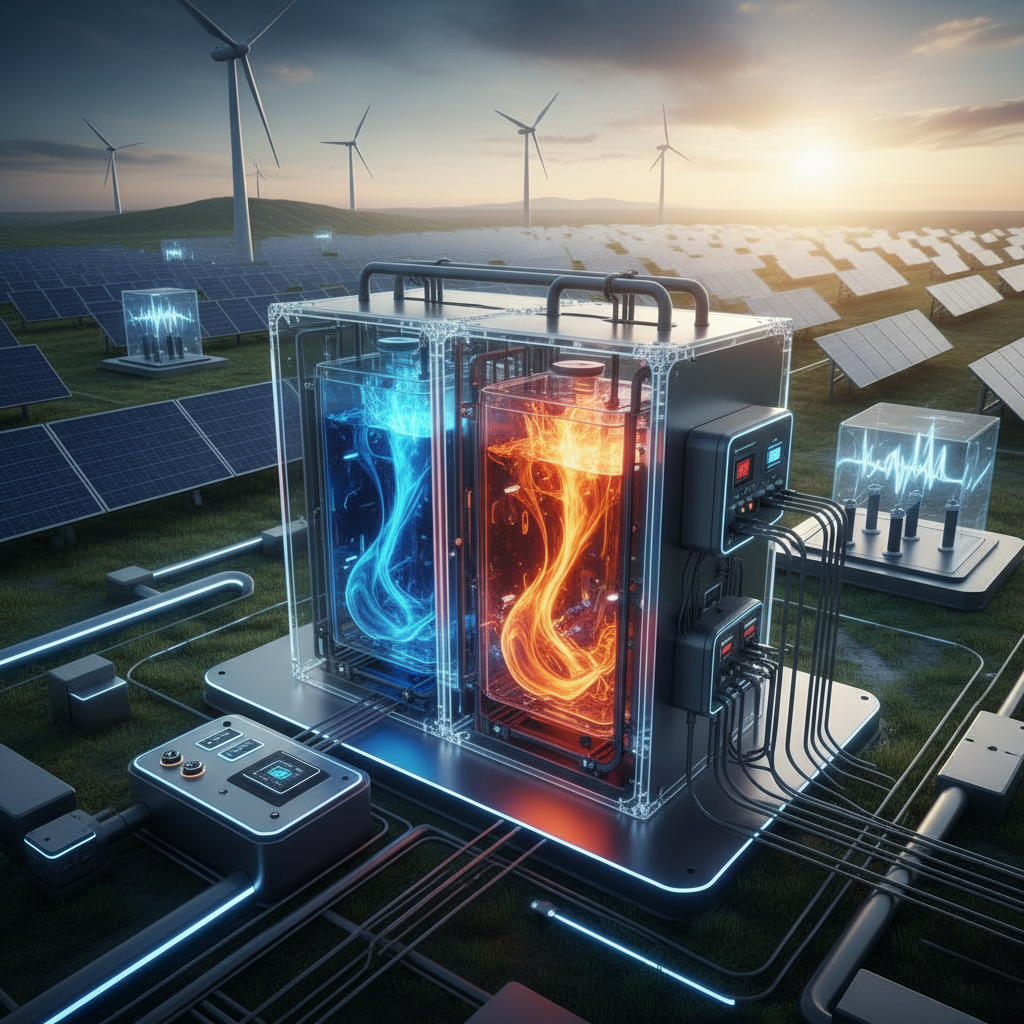
Overview of Flow Batteries and Their Significance in 2023
Flow batteries have emerged as a significant technology in the energy storage landscape, particularly in 2023, where they are noted for their potential to achieve up to 60% energy efficiency. Unlike conventional batteries, flow batteries store energy in liquid electrolytes, allowing for scalability and long-duration energy storage. According to a recent report by the International Energy Agency (IEA), the demand for energy storage solutions is expected to triple by 2025, highlighting the growing importance of flow batteries in renewable energy integration and grid stability.
In the context of renewable energy, flow batteries offer notable advantages. Their ability to decouple energy and power enables them to provide sustained output for applications ranging from grid support to large scale solar or wind energy systems. As reported by BloombergNEF, the cost of flow battery systems has been declining, making them increasingly competitive with traditional lithium-ion batteries for large-scale applications.
Tips: When considering energy storage solutions, evaluate the specific application requirements. For long-term energy storage, flow batteries may provide the reliability needed in fluctuating energy markets. Additionally, keep an eye on advancements in flow battery technology, as innovations could greatly enhance performance and cost-efficiency in the coming years.
Key Features to Consider When Evaluating Flow Battery Technology
When evaluating flow battery technology, several key features stand out as critical for determining their performance and suitability for various applications. First and foremost is the chemistry of the electrolyte used in the battery. The choice between vanadium, zinc-bromine, or other chemistries can significantly affect energy density, cycling stability, and overall cost. High energy density allows for a more compact design, making it easier to integrate batteries into existing infrastructure.
Another essential aspect to consider is the scalability of the system. Flow batteries must be able to scale effectively to meet different energy storage demands. This scalability is directly tied to the design of the storage tanks and the pumps used to circulate the electrolyte. Understanding the limits of scalability and how they align with project requirements is vital for future-proofing energy storage solutions.
Finally, the efficiency of the energy conversion process plays a crucial role in the overall effectiveness of flow batteries. With the potential to achieve up to 60% energy efficiency, it is important to assess the real-world performance metrics under varying conditions. Overall, focusing on these key features will help consumers and businesses make informed decisions regarding flow battery investment and utilization in their energy systems.
Top 5 High-Efficiency Flow Batteries: Performance and Applications
In 2023, the demand for high-efficiency flow batteries continues to rise as industries seek sustainable solutions for energy storage. Flow batteries, known for their scalability and longevity, are crucial in balancing intermittent renewable energy sources like solar and wind. Recent industry reports highlight that flow batteries can achieve energy efficiencies of up to 60%, making them a competitive option for grid storage applications. With the global energy storage market expected to surpass $300 billion by 2030, flow batteries are positioned to play a pivotal role in this transformation.
The latest advancements in flow battery technology have led to significant enhancements in performance and application versatility. A 2022 report from the International Energy Agency noted that vanadium redox flow batteries (VRFBs) are particularly prominent in commercial-scale applications due to their ability to discharge for extended periods. Moreover, iron-chromium flow batteries are gaining traction for their lower cost and abundant materials, thus promising a more sustainable alternative in energy storage. As these technologies mature, they are set to revolutionize energy management in various sectors, from renewable energy integration to electric vehicle charging infrastructure.
Top 5 Flow Batteries for 2023: Unleashing 60% Energy Efficiency Potential
| Battery Type |
Energy Efficiency (%) |
Energy Density (Wh/L) |
Power Rating (kW) |
Typical Applications |
| Vanadium Flow Battery |
60 |
25 |
100 |
Grid Energy Storage |
| Zinc-Bromine Flow Battery |
55 |
30 |
150 |
Renewable Integration |
| Iron-Chromium Flow Battery |
51 |
20 |
120 |
Microgrid Applications |
| All-Vanadium Flow Battery |
60 |
35 |
180 |
Commercial Energy Storage |
| Redox Flow Battery |
58 |
28 |
200 |
Large-Scale Storage |
Innovative Advancements Driving Energy Efficiency in Flow Batteries
Innovative advancements in flow battery technology are playing a crucial role in enhancing energy efficiency, with potential gains reaching up to 60%. According to recent industry reports, the growing demand for reliable and sustainable energy storage solutions has catalyzed improvements in this field. Notably, a breakthrough in redox flow battery (RFB) technology has been achieved in China, boasting an impressive energy efficiency of 87.9% and a cycling life of 850 cycles. This development significantly outperforms previous standards and demonstrates the potential for flow batteries to support a transition towards cleaner energy systems.
As the renewable energy sector continues to evolve, the integration of advanced storage technologies is essential for optimizing solar energy utilization. Innovations such as floating solar farms and AI-driven optimization strategies are transforming traditional energy generation methods. Furthermore, the evolution of battery energy storage systems (BESS) is marked by historical advancements that have set the stage for modern applications. With the combined effort of numerous startups and established companies in the energy sector, the drive toward achieving higher energy efficiency and sustainability in flow batteries promises to reshape the way we approach energy storage and distribution.
Future Trends in Flow Battery Development and Market Potential

As the energy landscape shifts towards sustainable solutions, flow batteries are emerging as a pivotal technology due to their scalability and long cycle life. Future trends suggest a significant focus on enhancing energy efficiency, with developers aiming to push the boundaries of current performance levels. Innovations in electrolytes and electrode materials are likely to unlock a more than 60% energy efficiency potential, making these batteries more competitive with traditional energy storage methods.
Market potential for flow batteries is also expanding, particularly in sectors such as renewable energy integration and grid stability. As the demand for energy storage grows, advancements in flow battery technology may lead to cost reductions and improved energy density, driving wider adoption. Collaborations among energy companies, research institutions, and governments could further accelerate the development of this technology, positioning flow batteries as a cornerstone in the future of energy storage solutions.