Top Forklift Battery Types for Optimal Performance and Long Lasting Power?
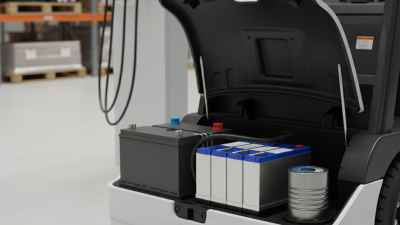
In the world of material handling, the right "Forklift Battery" can make all the difference. Experts like John Smith, a leading authority in industrial lift equipment, emphasize, "Choosing the correct battery type is crucial for efficiency." With various battery types available, understanding their characteristics is essential for optimal performance.
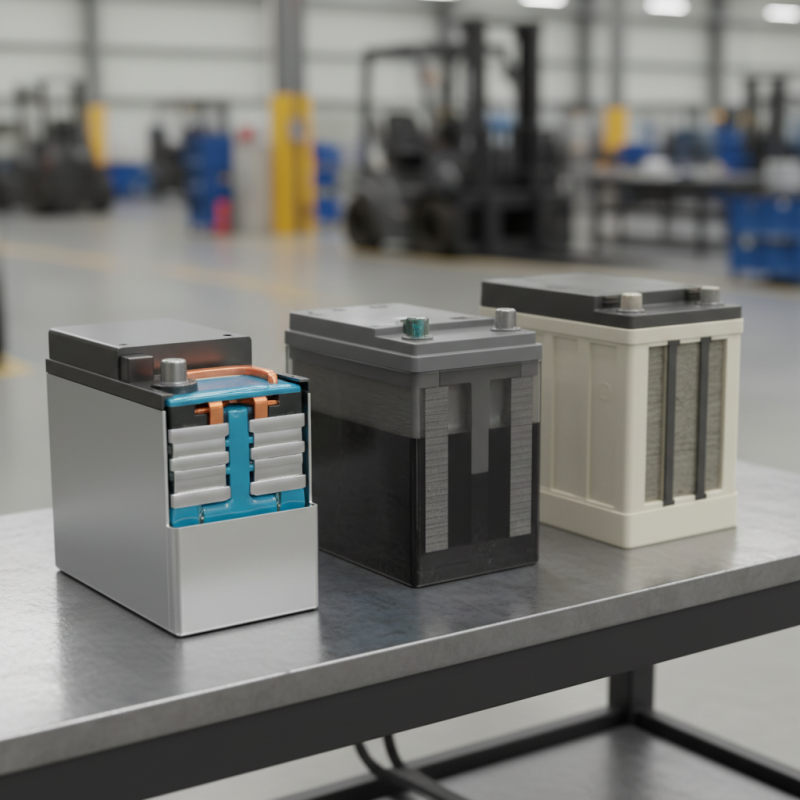
Lithium-ion, lead-acid, and AGM batteries each have unique benefits. Lithium-ion batteries are lightweight and charge quickly. Lead-acid batteries, while heavier, are often more cost-effective for short-term use. AGM batteries provide durability. However, selecting the ideal Forklift Battery isn’t just about knowing types. It requires insight into usage patterns and maintenance needs.
Many users overlook the impact of battery choice. Poor decisions lead to equipment downtime and increased costs. Reflecting on battery performance can reveal gaps in knowledge. Choosing the right Forklift Battery can enhance productivity and sustainability in operations. Understanding these nuances is vital for industry success.
Overview of Forklift Battery Types and Their Applications
When selecting a forklift battery, understanding the types and their applications is crucial. Lead-acid batteries are among the most commonly used. They provide a reliable power source and are cost-effective. According to industry data, lead-acid batteries account for approximately 70% of the forklift battery market. They are best suited for routine industrial applications. However, their weight can impact overall forklift performance.
Lithium-ion batteries are gaining traction, particularly in high-demand environments. These batteries offer faster charging times and longer lifespans. Recent studies indicate that lithium-ion batteries can last up to five times longer than lead-acid alternatives. This extended life significantly reduces the need for replacement and maintenance. However, the initial investment is higher, which may not be feasible for all operators.
Nickel-cadmium batteries also serve specific needs. They excel in extreme temperatures and can endure deep discharges better than lead-acid batteries. However, their environmental impact and disposal regulations are considerations that cannot be ignored. Each battery type has its pros and cons. Assessing operational needs is essential in making the right choice. Balancing performance, cost, and sustainability is an ongoing challenge in this evolving market.
Top Forklift Battery Types for Optimal Performance and Long Lasting Power
| Battery Type |
Voltage (V) |
Capacity (Ah) |
Typical Lifespan (Years) |
Applications |
| Lead-Acid |
6/12 |
150-800 |
3-7 |
General warehouse operations |
| Lithium-Ion |
24/36/48 |
100-500 |
5-10 |
High-demand operations, multiple shifts |
| Nickel Cadmium (NiCd) |
12/24 |
120-600 |
5-15 |
Cold storage environments, heavy-duty use |
| Gel-Cell |
6/12 |
100-300 |
4-8 |
Outdoor use, sensitive environments |
| Absorbent Glass Mat (AGM) |
12/24 |
100-400 |
3-7 |
Flooded battery replacement, versatile use |
Key Features of Different Forklift Battery Technologies
When selecting forklift batteries, different technologies offer unique advantages.
Lead-acid batteries remain predominant due to their affordability and widespread use.
They typically have a cycle life of around 1,500 cycles, but performance can degrade if not properly maintained.
Charge times usually range from six to eight hours, often requiring additional battery replacement for continuous operation.
Lithium-ion batteries are emerging as a strong alternative.
They provide faster charging, typically around one to two hours.
A significant benefit is their longer lifespan, offering up to 5,000 cycles.
According to industry reports, lithium-ion batteries can improve operational efficiency by up to 30%.
However, their higher upfront cost and specific charging requirements can pose challenges for some businesses.
Nickel-cadmium (NiCad) batteries are another option, especially in extreme temperatures.
They perform reliably in both heat and cold, but their lifecycle is shorter compared to lithium-ion.
Additionally, the environmental impact of cadmium raises concerns.
Organizations must weigh these factors carefully when choosing the right battery to optimize performance while considering sustainability.
Comparison of Lead-Acid and Lithium-Ion Forklift Batteries
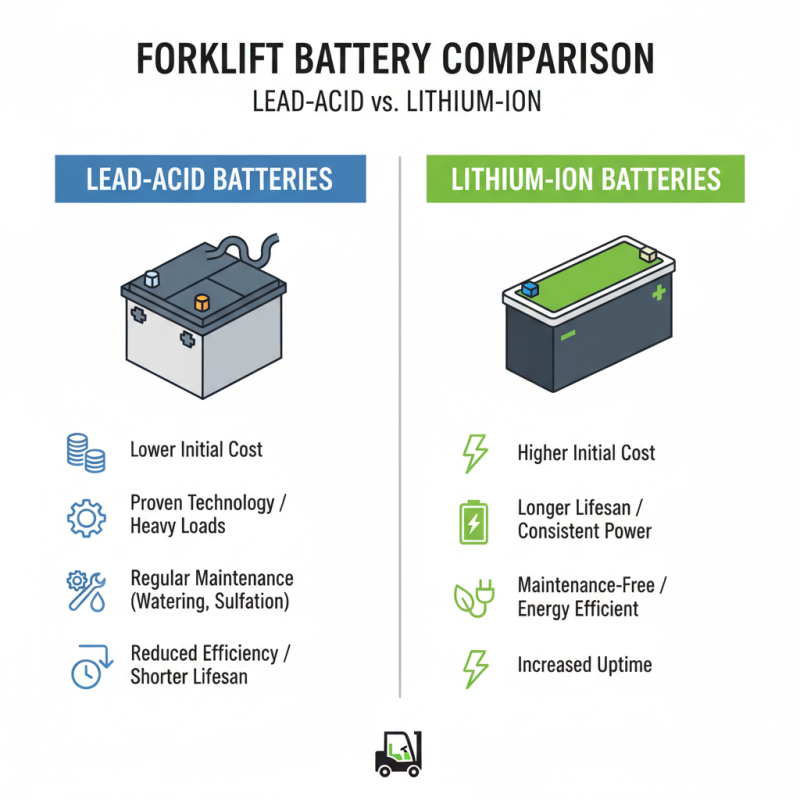
When it comes to forklift batteries, two prominent types stand out: lead-acid and lithium-ion. Both options have unique characteristics that can impact performance and longevity. Lead-acid batteries are often favored for their cost-effectiveness. They have a well-established technology and can handle heavy-load applications. However, they require regular maintenance. Issues like water loss and sulfation are common. This can reduce overall efficiency and lifespan.
In contrast, lithium-ion batteries offer significant advantages. They are lighter and more energy-dense, contributing to longer operational time between charges. Charging is faster, which maximizes uptime. Yet, their initial cost can be higher. This often raises questions about value for money. Some users may hesitate, unsure about investing in newer technology.
While both battery types have their merits, the choice often hinges on specific operational needs. Businesses should weigh maintenance requirements, upfront costs, and intended usage scenarios. Transitioning to a different battery type is not always seamless. Careful consideration is key to ensuring optimal performance and durability in the long run.
Factors Influencing Battery Performance and Longevity
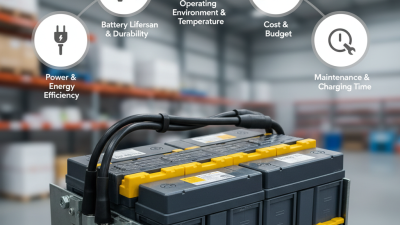
When selecting a forklift battery, understanding the factors that impact performance and longevity is essential. Battery chemistry plays a critical role. Lead-acid batteries are commonly used, yet lithium-ion batteries offer benefits in efficiency and life cycle. Each type has unique demands regarding charging and maintenance.
Temperature stability is another significant influence. Extreme heat or cold can drastically impact battery life. Operating in cooler environments can lead to better performance, while high temperatures may reduce efficiency. Regular monitoring of battery health can help identify issues early.
Charging practices are also vital. Overcharging can degrade battery capacity, while undercharging can lead to sulfation in lead-acid batteries. It’s crucial to follow the manufacturer’s recommendations. Observing operating conditions can provide insights into how well the battery performs and how long it lasts. Adjust your practices accordingly for optimal results.
Best Practices for Maintaining Forklift Batteries for Optimal Use
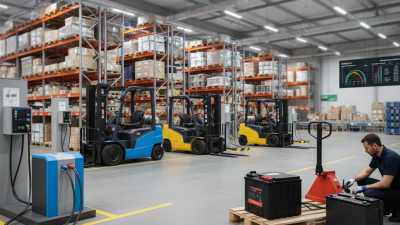
Maintaining forklift batteries is crucial for performance and longevity. Regularly checking water levels in lead-acid batteries can prevent overheating. A study by the Industrial Battery Association found that over 30% of battery failures are due to improper maintenance. This statistic highlights the importance of adherence to best practices.
Temperature influences battery life significantly. Operating in high temperatures can lead to faster degradation. Keeping batteries cool prolongs their efficiency. Charging procedures also matter. Fast charging may seem convenient, but it can reduce overall battery life. Aim for slow, consistent charging cycles.
Inspect connections frequently. Loose or corroded terminals can cause power loss. A visual inspection can help identify these issues early. Employee training is essential. Equip operators with knowledge on handling batteries safely and efficiently. Awareness can mitigate human errors that lead to preventable damages.