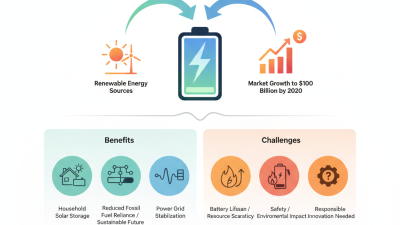
As the demand for low-speed vehicles rises, so does the focus on Low-Speed Vehicle Battery advancements. Buyers across the globe seek reliable, efficient batteries that enhance performance while ensuring sustainability. The evolution of these batteries is not merely a trend but a necessity in transforming urban mobility.
In 2026, several key trends are shaping the Low-Speed Vehicle Battery market. Innovative materials and designs promise increased energy density and longer lifespans. Many manufacturers are exploring cost-effective solutions to make batteries more accessible. However, challenges remain. Issues like recycling and environmental impact must be addressed to ensure a sustainable future.
The shift towards electric solutions invites scrutiny on battery sourcing and manufacturing processes. It’s crucial to discuss both the benefits and potential drawbacks of this technology. Buyers must be informed and cautious, ensuring they choose products that align with eco-friendly practices. Understanding these dynamics will empower buyers, contributing to a more sustainable vehicle ecosystem.
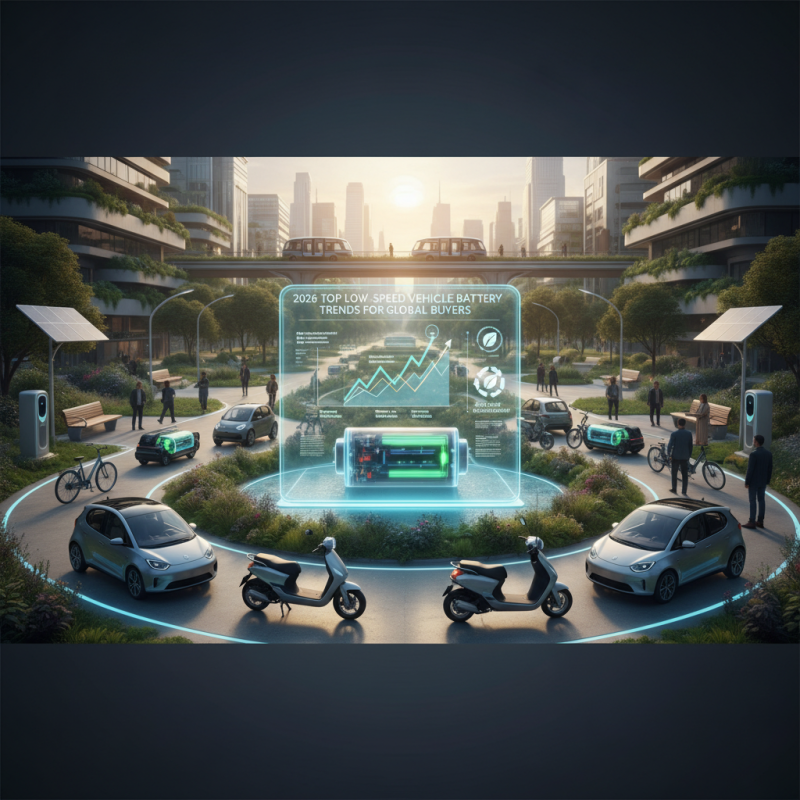
The landscape of low-speed vehicle battery technology is evolving rapidly as we approach 2026. Manufacturers are focusing on optimizing energy density and extending battery life. These innovations are crucial for enhancing low-speed vehicles' efficiency and appeal. More efficient batteries can lead to longer ranges, making these vehicles suitable for a wider array of applications, including urban commuting and leisure activities.
Battery recycling is gaining traction as a vital development. The environmental impact of lithium-ion batteries is significant. Addressing this issue requires effective recycling processes. As more vehicles enter the market, the need for sustainable battery disposal becomes essential. Companies are exploring closed-loop systems, yet challenges remain in maintaining cost-effectiveness and efficiency. These limitations pose questions about long-term sustainability in the industry.
Solid-state batteries are at the forefront of research due to their potential safety advantages. They could reduce the risk of fire associated with traditional batteries. However, the manufacturing process is still complex and costly. This creates a barrier to widespread adoption. The journey toward refined solid-state technology will demand collaboration across the industry, highlighting the need for patience and ongoing investment in research.
The electric vehicle market is evolving rapidly. Battery chemistry advancements are crucial for enhancing efficiency. New approaches focus on energy density, stability, and longevity. Ongoing research highlights sodium-ion and solid-state technologies. These innovations promise to improve the performance of low-speed vehicles.
For instance, sodium-ion batteries offer a more abundant and less expensive alternative to lithium-ion. They may not reach the same peak performance but present a significant opportunity for cost reduction. Solid-state batteries, while still emerging, show potential for increased safety and energy retention. However, scalability and manufacturing processes need refinement.
While these technologies exhibit promise, challenges remain. The transition to new chemistries can encounter regulatory hurdles. Manufacturers are grappling with supply chain issues and production costs. As these challenges unfold, the market must adapt to evolving consumer expectations. Exploring these avenues offers a chance for further reflection on how the industry can innovate responsibly and sustainably.
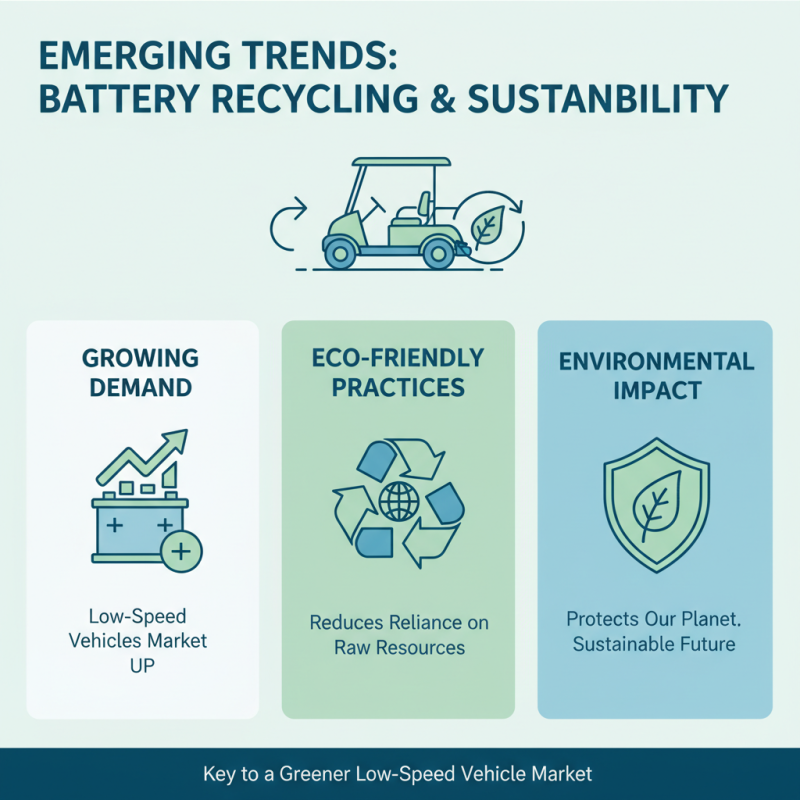
Battery recycling and sustainability are key in today's growing low-speed vehicle market. As demand rises, so does the need for eco-friendly practices. Recycled materials reduce the reliance on raw resources. This is crucial for protecting our environment.
New technologies are emerging in battery recycling. Advanced separation techniques prioritize high recovery rates of valuable materials. However, some processes remain inefficient, prompting the need for innovation. Current recycling methods can be costly and complex. Identifying feasible solutions remains an ongoing challenge.
Sustainability practices aren't only about recycling. They also encompass efficient production processes. Reducing waste during manufacturing is essential. Energy consumption during battery life cycle stages needs attention. These factors present both opportunities and barriers. The industry must adapt to these challenges to ensure a greener future.
The demand for low-speed vehicle batteries is on the rise, driven by various market dynamics. Factors such as urbanization and an emphasis on sustainable transport are shaping the industry. A recent report from MarketsandMarkets indicates that the global low-speed vehicle battery market is projected to reach $2.5 billion by 2026, reflecting a compound annual growth rate (CAGR) of 8.5% from 2021.
In addition, government regulations promoting electric vehicles (EVs) are influencing battery adoption. Cities are implementing incentives for low-speed electric vehicles to reduce emissions. Meanwhile, a survey conducted by the International Council on Clean Transportation reveals that 60% of consumers are considering electric options for short-distance travel. This heightened awareness is fueling demand.
Despite the optimistic outlook, challenges persist. Battery technologies must advance to lower costs and improve efficiency. Many manufacturers are experimenting with new materials and designs. However, the implementation of these technologies can be slow and costly. Furthermore, market volatility in raw material prices adds another layer of complexity that requires careful navigation.
The future of battery infrastructure for low-speed vehicles is crucial. As urban areas grow, low-speed vehicles are becoming popular. They offer an eco-friendly alternative. However, the existing battery infrastructure is often insufficient. It's important to address these challenges to support this growing market.
Tips: Consider adaptive charging stations. These should cater to various vehicle types. Ensure accessibility in urban regions. This might require collaboration with local governments.
Innovations in battery technology are also necessary. Efficient energy storage can reduce costs and improve performance. Future batteries must support renewable energy sources. However, the transition won't be easy. Older models may not adapt well to new charging standards. Stakeholders need to plan for gradual upgrades.
Tips: Engage in community discussions. Gather insights from users. Understanding their needs will guide infrastructure development. Focus on reliability and long-term sustainability.