2026 Top Flywheel Energy Storage Types for Global Buyers
As global grids add more wind and solar power, buyers need storage that responds quickly and operates reliably. This guide examines the main Flywheel Energy Storage types expected to attract attention in 2026. It explains how rotor materials, operating speed, bearings, and containment systems influence performance. The comparison also considers power rating, discharge duration, efficiency, footprint, maintenance, and total ownership cost.
Real projects differ.
A frequency regulation site may favor a high-speed composite rotor and magnetic bearings. A factory may prefer a robust steel rotor with simpler service requirements. An isolated microgrid could value rapid response, thermal stability, and predictable cycling more than maximum energy capacity. These choices require evidence, not attractive specification sheets. Buyers should request verified round-trip efficiency data, response-time measurements, vibration limits, warranty conditions, and operating records from comparable installations.
The discussion reflects practical engineering concerns, but no single type suits every market. Supplier data can use different test methods. Field results may also vary with climate, controls, grid quality, and maintenance discipline. That limitation deserves attention. Independent certification, factory acceptance testing, and local technical support can reduce purchasing risk. Readers should also check applicable grid codes, fire-safety requirements, import rules, and environmental obligations before signing contracts. By comparing designs through measurable criteria, global buyers can identify where Flywheel Energy Storage offers genuine value and where another technology may be more suitable. Availability may change. Careful verification remains essential.
Flywheel Energy Storage: Definition, Structure, and Operating Principles
2026 Top Flywheel Energy Storage Types for Global Buyers
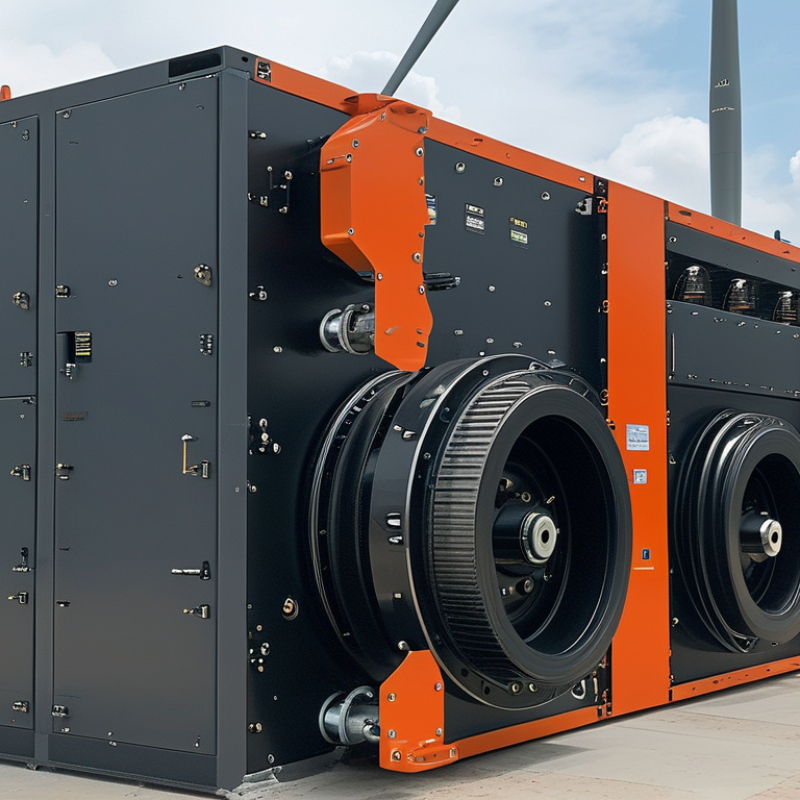
Flywheel energy storage stores electricity as rotational kinetic energy. A motor accelerates a heavy rotor inside a controlled enclosure. During discharge, the rotor drives a generator and returns electricity to the grid.
Its main structure includes a rotor, motor-generator, bearings, vacuum chamber, containment vessel, and power electronics. Low-speed steel rotors usually suit short-duration industrial support. High-speed composite rotors store more energy in smaller footprints. Magnetic bearings can reduce friction, while vacuum operation limits air resistance. The U.S. Department of Energy’s 2022 Energy Storage Technology and Cost Characterization Report places flywheel round-trip efficiency near 85–90%. DOE technical references also describe response times below one second, making flywheels useful for frequency regulation and power-quality control.
Tips: Check both power rating and discharge duration. A 1 MW flywheel may respond quickly but cannot replace long-duration storage. Review rotor safety margins, enclosure design, bearing maintenance, and local grid requirements. The technology is durable, yet not maintenance-free. A buyer may also underestimate standby losses and cooling needs. Independent testing data matters more than an impressive brochure. Lifecycle performance can change with operating temperature, cycling frequency, and installation quality. These details often decide whether a flywheel performs well in real projects.
Key Flywheel Energy Storage Types Available to Global Buyers in 2026
In 2026, global buyers can choose among several flywheel energy storage types. High-speed flywheels use composite rotors and magnetic bearings. They offer fast response, high power density, and low friction. They suit frequency regulation, data centers, and short-duration backup. Low-speed steel flywheels are heavier, but often easier to inspect and maintain. Their practical value can be stronger where budgets and local service skills matter.
Vacuum-enclosed systems reduce air resistance and improve efficiency. Some designs use permanent-magnet motors, while others use conventional motor-generator assemblies. Modular flywheels support microgrids, industrial facilities, and renewable power smoothing. A buyer should compare usable power, discharge duration, standby losses, rotor containment, and replacement procedures. Do not judge only by cycle-life figures. Real operating temperatures, grid events, and maintenance access can change results. A clean specification sheet may still hide difficult installation work.
Tips: Request independently verified test data. Check compliance with local electrical and safety standards. Ask how the system behaves after repeated high-power cycles. Visit a comparable operating site, if possible. Also examine noise, foundation loads, and emergency shutdown controls. These details seem minor until commissioning begins. I would leave contingency space in the budget, because site integration rarely follows the first plan exactly.
Selecting the Right Flywheel System for Different Applications and Markets
Selecting the right flywheel system begins with the application, not the advertised power rating. Flywheels typically respond within milliseconds and deliver repeated charge-discharge cycles with limited capacity fade. The U.S. Department of Energy’s Long-Duration Energy Storage Liftoff report places flywheel storage mainly in short-duration, high-power services, rather than overnight energy shifting. That distinction matters.
For frequency regulation, grid stability, and industrial power quality, buyers should prioritize fast response, high cycle capability, and controllable output. A 15-minute system may suit voltage support near a factory, while a two-hour battery could better serve renewable energy shifting. The DOE Global Energy Storage Database shows that storage projects increasingly serve multiple functions, so operating duty deserves careful review. Ask for measured response time, round-trip efficiency, standby losses, and rotor containment data.
Site conditions can change the decision. A flywheel room needs strong foundations, vibration monitoring, fire planning, and suitable ambient-temperature controls. In transport or remote microgrids, weight and maintenance access may outweigh maximum power. The International Renewable Energy Agency notes that storage value depends heavily on local grid rules, tariffs, and renewable penetration. That is easy to overlook.
Performance claims need context. Some technical reports cite more than 100,000 cycles for certain flywheel designs, but actual life depends on speed, bearing loads, and maintenance intervals. Buyers should request independent test records, not only brochures. I would also challenge one common assumption: high cycle life does not guarantee low lifetime cost. Replacement electronics, cooling energy, insurance, and civil works can quietly reshape the business case.
Safety, Standards, Costs, and Supplier Evaluation Criteria for 2026
For global buyers in 2026, flywheel selection starts with duty cycle, not storage duration. High-speed composite flywheels suit frequency regulation and short grid events. Steel rotor systems offer rugged operation, but usually lower energy density. Vacuum housings, magnetic bearings, and reinforced containment reduce friction and rotor-failure risks. Sandia National Laboratories’ Energy Storage Handbook reports round-trip efficiency commonly near 85–95%, with very high cycling capability.
Safety evidence must be practical. Ask for rotor burst analysis, overspeed testing, vibration limits, emergency shutdown logic, and fire-response procedures. ISO 21940 supports rotor balancing practices, while IEC 60034 addresses rotating electrical machines. IEC 62933 provides broader stationary energy-storage guidance, although it does not replace a project-specific mechanical safety assessment. It is not enough to receive a certificate.
Cost comparisons can mislead. The U.S. Department of Energy’s Global Energy Storage Database classifies flywheels mainly as rapid-response, high-power assets, rather than long-duration storage. Therefore, suppliers should disclose both installed cost per kW and usable cost per kWh. Request parasitic-load data, standby losses, bearing replacement intervals, civil works, and warranty exclusions. Sandia’s technical literature emphasizes long service life, but real projects still depend on maintenance quality and operating temperature. My concern is simple: quoted life can look impressive until auxiliary power and downtime are measured. Supplier audits, witnessed factory tests, independent engineering review, and five-year degradation records deserve more weight than glossy efficiency claims.
2026 Top Flywheel Energy Storage Types for Global Buyers
Safety, standards, costs, and supplier evaluation criteria for 2026
High-speed composite flywheels generally offer the highest cycle-life potential, while low-speed steel systems typically use lower rotor speeds and heavier mechanical structures. The figures shown are representative engineering ranges used for preliminary buyer comparison; final values depend on rotor design, containment, vacuum level, power rating, duty cycle, and operating environment.
Safety focus
Check rotor containment, overspeed protection, vacuum monitoring, bearing failure protection, emergency braking, and fire or projectile-risk assessment.
Standards review
Ask suppliers to map the design to applicable requirements such as IEC 62933, IEC 62477-1, ISO 21940, and any local grid, EMC, pressure-vessel, and machinery regulations.
Supplier evaluation
Compare verified cycle-life tests, round-trip efficiency, response time, availability guarantees, maintenance intervals, warranty limits, spare parts, and third-party certification evidence.