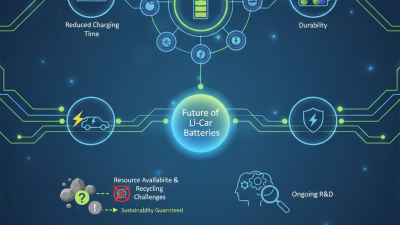
What Are the Benefits of Lithium Ion Car Batteries?
The rise of electric vehicles has sparked significant interest in Lithium Ion Car Batteries. These batteries are now vital to the automotive industry. According to a report from the International Energy Agency, the market for these batteries is projected to grow by over 20% annually through 2030.
Dr. Jane Foster, an expert in battery technology, states, “Lithium Ion Car Batteries are crucial for the transition to sustainable transportation.” The benefits of these batteries include higher energy density and longer lifespan compared to traditional batteries. However, there are environmental concerns about their production and disposal.
As we embrace greener technologies, challenges such as resource sourcing and recycling must be addressed. Not every aspect of Lithium Ion Car Batteries is perfect. It’s essential to continue improving their sustainability. The automotive industry stands at a crossroads, with the potential to revolutionize energy use in transportation.

Benefits of High Energy Density in Lithium Ion Car Batteries
Lithium ion car batteries are gaining popularity due to their high energy density. This characteristic means they can store more energy in a smaller space compared to traditional battery types. The Energy Storage Association reports that lithium ion batteries provide up to three times the energy density of lead-acid batteries. This allows electric vehicles (EVs) to achieve longer ranges on a single charge.
High energy density is crucial for the automotive industry. It directly impacts vehicle weight and efficiency. With lighter batteries, manufacturers can design more aerodynamic cars. According to a study from the International Energy Agency, improving battery efficiency can increase an electric vehicle's range by as much as 20%. However, as energy needs rise, the demand for raw materials, like lithium and cobalt, may pose sustainability challenges.
Critically, high energy density also raises safety concerns. In extreme conditions, lithium ion batteries can overheat or catch fire. Companies must prioritize safety measures alongside performance improvements. The World Economic Forum emphasizes the need for ongoing research to enhance battery safety without sacrificing density. This balance remains a key focus for sustainable transportation.
Benefits of Lithium Ion Car Batteries
Lithium ion car batteries offer several significant advantages that enhance the performance and efficiency of electric vehicles. The chart above illustrates the various benefits, with high energy density being the most prominent. Other notable benefits include a long lifespan, low self-discharge rate, lightweight nature, and the ability to charge quickly.
Long Cycle Life: Longevity and Efficiency in Electric Vehicles
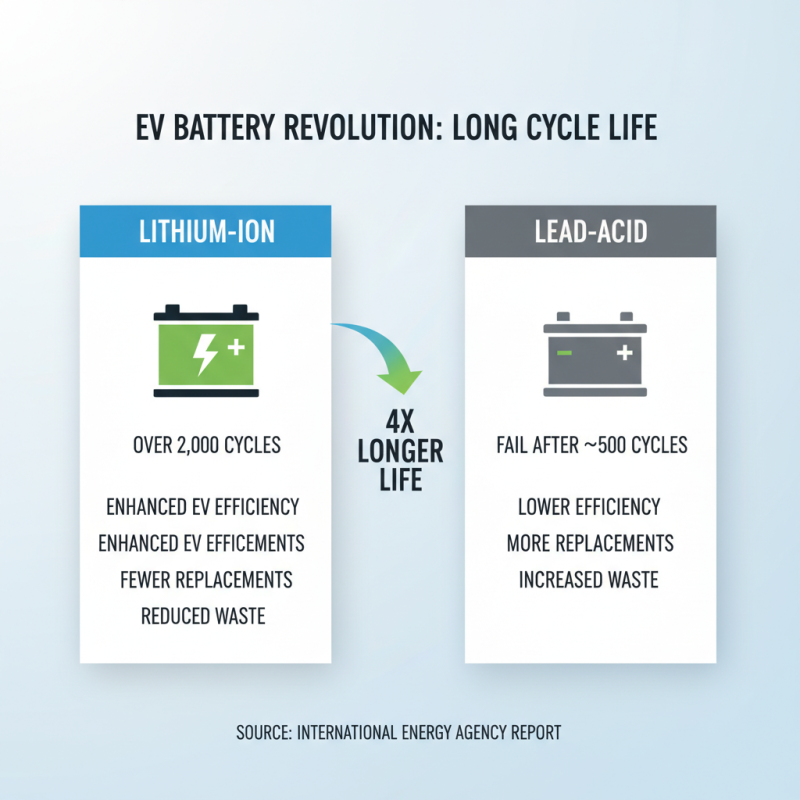
Lithium-ion car batteries are revolutionizing electric vehicles with their long cycle life. These batteries can last over 2,000 cycles, significantly outperforming traditional lead-acid batteries, which often fail after 500 cycles. A recent report from the International Energy Agency highlighted that longer battery life can greatly enhance the total efficiency of electric vehicles. This could result in fewer replacements and reduced waste.
However, longevity doesn't come without challenges. The performance of lithium-ion batteries can degrade over time, especially under extreme temperatures. Some studies indicate that extreme heat can reduce capacity by up to 20%. Additionally, charging habits play a crucial role in a battery's lifespan. Frequent fast charging can wear them down more rapidly.
Understanding these factors is important for consumers and manufacturers alike. The quest for a balance between longevity and efficiency continues. It's essential to acknowledge that advancements are needed for optimizing battery performance. Exploring new materials and technologies may help address these challenges, paving the way for even more effective electric vehicles.
Fast Charging Capabilities: Revolutionizing Electric Vehicle Usage
Fast charging capabilities are a game-changer for electric vehicle (EV) users. With lithium-ion car batteries, charging times have dramatically decreased. Many EVs can now achieve an 80% charge in under 30 minutes. This efficiency makes long trips more feasible for drivers. The convenience of rapid charging stations enhances the overall experience for EV owners.
However, dependence on fast charging isn't without challenges. Battery degradation can occur quicker with frequent fast charging. Users need to consider the long-term impact on battery life. Some may feel tempted by the speed, but caution is advisable. Not every charging station offers the same power levels. Finding the right station can sometimes be frustrating.
Drivers should also weigh the availability of fast chargers in their areas. Urban environments often provide better infrastructure than rural regions. It's essential to plan ahead for longer journeys. Fast charging is a great convenience, but it's not all perfect. Balancing efficiency with battery maintenance will be crucial for the future of EVs.
What Are the Benefits of Lithium Ion Car Batteries? - Fast Charging Capabilities: Revolutionizing Electric Vehicle Usage
| Feature |
Description |
Benefits |
| Fast Charging |
Lithium-ion batteries can be charged quickly compared to traditional batteries. |
Reduces downtime for electric vehicles, making them more convenient for users. |
| Energy Density |
Higher energy density allows for more energy storage in a smaller package. |
Improves driving range of electric vehicles. |
| Lightweight |
Lower weight compared to traditional lead-acid batteries. |
Enhances vehicle performance and efficiency. |
| Long Lifespan |
Longer cycle life with more charge/discharge cycles. |
Lower replacement costs over time. |
| Environmental Impact |
Less toxic compared to traditional batteries. |
Reduced environmental pollution and better recycling options. |
Environmental Impact: Recycling and Sustainability of Lithium Ion Batteries
Lithium-ion batteries have become popular due to their efficiency. However, the environmental impact of these batteries raises important questions. Recycling lithium-ion batteries can help reduce waste. When batteries are recycled, valuable materials are recovered. This process can minimize the need for mining new resources.
Yet, the recycling process is not perfect. It often involves energy-intensive procedures. Sometimes, harmful chemicals are released during recycling. This creates further environmental concerns. People need to realize that recycling is just one part of the solution.
Sustainability in battery production is also crucial. Developing better manufacturing methods can decrease environmental harm. Research is ongoing to create batteries with less impact. Innovations in battery technology might lead to greener alternatives. As we push for electric vehicles, it’s vital to focus on how to create a sustainable lifecycle for these power sources.
Cost-Effectiveness: Economic Advantages Over Traditional Battery Types
Cost-effectiveness stands out as a key advantage of lithium-ion car batteries. These batteries offer a longer lifespan compared to traditional options. This longevity translates into fewer replacements over time, which can save money in the long run. Maintenance costs are often lower as well, reducing overall expenses for vehicle owners.
The initial investment in lithium-ion technology may be higher. However, the efficiency gains often offset this upfront cost. They charge faster and hold more energy, which means less time plugged in. This is especially beneficial for daily commutes. Over time, the savings on energy use and battery replacement accumulate.
Despite their benefits, lithium-ion batteries are not without flaws. Their performance can decrease in extreme temperatures. Additionally, recycling them presents challenges that need attention. There’s a need to address the environmental impact of battery production. This ongoing dialogue is essential for the advancement of this technology.