Top 10 Benefits of Using Rechargeable Lithium Batteries for Everyday Devices?
Rechargeable Lithium Batteries are transforming the way we power our everyday devices. These batteries offer numerous advantages that cater to modern lifestyles. As technology advances, the need for efficient energy sources grows.
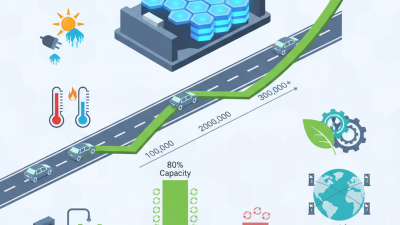
One significant benefit is their longevity. Unlike traditional batteries, Rechargeable Lithium Batteries can withstand many charge cycles. This longevity means fewer replacements and less waste. They also provide consistent power output, which is essential for devices like smartphones and laptops.
Moreover, using Rechargeable Lithium Batteries has environmental benefits. They reduce the number of single-use batteries that end up in landfills. However, it’s important to consider proper disposal to maximize their ecological advantages. While these batteries have become widely popular, the initial cost might deter some consumers. Yet, the long-term savings and performance make them a solid choice. Rechargeable Lithium Batteries are an investment worth considering in today’s energy-conscious world.

Overview of Rechargeable Lithium Batteries
Rechargeable lithium batteries have become a staple in today’s electronic devices. Their widespread usage stems from impressive energy density and efficiency. According to a report by the International Energy Agency, lithium-ion batteries hold energy 3-4 times better than traditional alkaline batteries. This superior performance supports various devices, from smartphones to electric vehicles.
The environmental impact of lithium batteries is another crucial consideration. Research indicates that rechargeable options significantly cut down on battery waste. A study published in Environmental Science & Technology states that every kilogram of lithium-ion batteries can replace about 5 kilograms of disposable batteries over their lifespan. While advancements exist, challenges remain in recycling processes, making it essential to enhance sustainability practices.
Cost-effectiveness is also a driving factor. While upfront costs may be higher, users save in the long run. The U.S. Department of Energy highlights that lithium batteries can save consumers up to 50% compared to standard batteries over time. Recognizing these three pillars—performance, environmental responsibility, and economic advantages—reinforces the growing reliance on rechargeable lithium batteries in daily life. However, ongoing advancements and thoughtful consumer practices are necessary for maximizing their benefits.
Top 10 Benefits of Using Rechargeable Lithium Batteries for Everyday Devices
Environmental Impact of Using Rechargeable Lithium Batteries
The environmental impact of using rechargeable lithium batteries is significant. Unlike traditional alkaline batteries, they can be reused hundreds of times. This leads to a drastic reduction in waste. A report from the U.S. Environmental Protection Agency states that single-use batteries contribute approximately 180,000 tons of waste annually. With the adoption of rechargeable options, this number can be drastically lowered.
However, the benefits are not without challenges. The production of lithium batteries involves mining processes that can be harmful to ecosystems. For instance, lithium extraction can lead to water shortages in regions like South America. Moreover, the recycling of these batteries is not yet as efficient as it should be. Only about 5% of lithium batteries are recycled properly. This points to a need for improved recycling technologies.
Statistically, the shift to rechargeable lithium batteries could cut carbon emissions substantially. If just 10% of batteries switched to rechargeable types, it could save around 100 million gallons of oil per year. There remains a gap between awareness and action in sustainably managing battery life cycles. The ongoing research into more eco-friendly materials is crucial for a truly regenerative future.
Top 10 Benefits of Using Rechargeable Lithium Batteries for Everyday Devices
| Benefit |
Description |
Environmental Impact |
| Cost-Effective |
Rechargeable batteries save money over time due to their ability to be reused multiple times. |
Reduces waste and encourages sustainable consumption. |
| Higher Energy Density |
Lithium batteries can store more energy in a smaller space. |
Less volume and weight contribute to more efficient packaging and transport. |
| Low Self-Discharge Rate |
Holds charge longer when not in use compared to non-rechargeables. |
Enhances the lifecycle of batteries, leading to less frequent replacements. |
| Faster Charging |
Rechargeable lithium batteries can be charged quickly, enhancing convenience. |
Promotes the use of cleaner energy sources through efficient energy turnaround. |
| Environmental Safety |
Less harmful than other battery types, leading to better recycling processes. |
Supports eco-friendly disposal and recycling practices. |
| Versatility |
Used in a wide range of devices, from smartphones to electric vehicles. |
Encourages the adoption of sustainable technologies across various sectors. |
| Enhanced Performance |
Offers better performance in extreme temperatures compared to other types. |
Promotes longevity in devices, reducing the frequency of new purchases. |
| Lightweight Design |
Weighs less than other rechargeable batteries. |
Results in reduced shipping costs and lower carbon footprint. |
| Less Resource Intensive |
Requires fewer raw materials over its lifecycle compared to single-use batteries. |
Contributes to decreased environmental degradation caused by material extraction. |
Cost-Effectiveness of Rechargeable Lithium Batteries Over Time
Rechargeable lithium batteries offer significant cost-effectiveness over time. While the upfront costs can be higher, their longevity makes them a smarter investment. A typical lithium battery can be recharged hundreds of times. This extended lifespan reduces the need for frequent replacements. Over years, this leads to substantial savings, making them a practical choice for everyday devices.
Many users underestimate the environmental impact of disposable batteries. While they seem cheaper initially, frequent purchases add up. Millions of batteries end up in landfills each year. Using rechargeable options minimizes waste and promotes sustainability. It’s essential to consider not just immediate costs, but broader environmental responsibilities as well.
However, there can be drawbacks. Some lithium batteries might not perform well in extreme temperatures. Users might experience reduced efficiency in very cold conditions. Longevity depends on usage patterns and charging habits. It's crucial to reflect on these aspects when transitioning to rechargeable batteries. Balancing costs and efficiency requires careful evaluation.
Performance Advantages of Lithium Batteries in Everyday Devices
Rechargeable lithium batteries have transformed our approach to powering everyday devices. They offer unique performance advantages that make them a preferred choice over traditional batteries. According to a report by IDTechEx, lithium-ion batteries can provide up to three times more energy density than nickel-cadmium batteries. This allows devices to run longer on a single charge, reducing the frequency of replacements and promoting sustainability.
Lithium batteries also maintain a steady voltage output throughout their lifespan. This performance stability is crucial for sensitive electronics, ensuring devices operate effectively. Research reveals that lithium batteries can endure over 2,000 charging cycles, significantly outlasting older technologies that only manage about 500 cycles. However, the initial cost remains a drawback, potentially limiting consumer adoption.
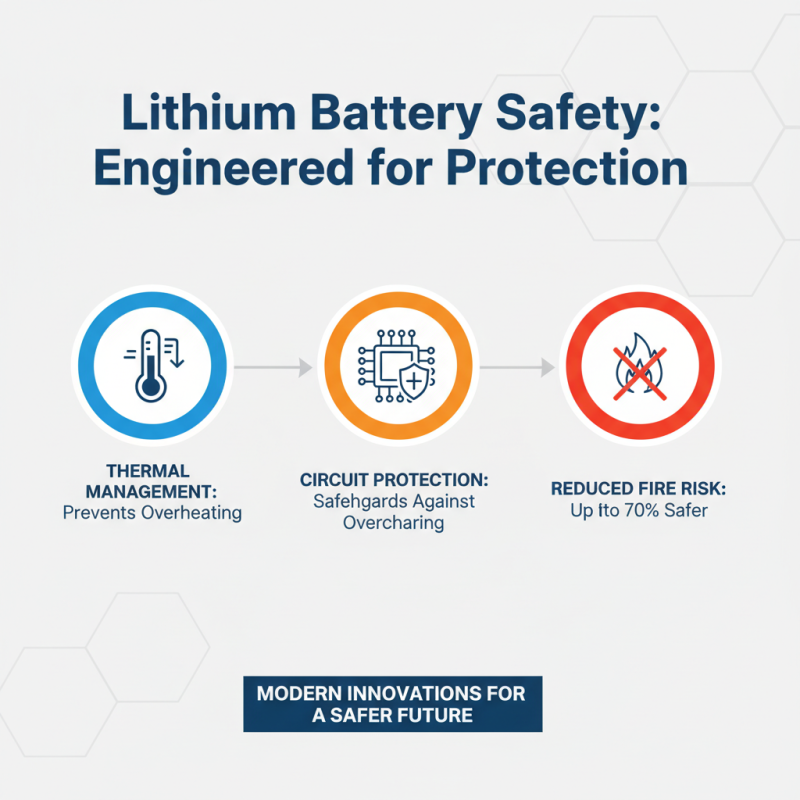
Charging speed is another key advantage. Lithium batteries can recharge up to five times faster than traditional batteries, making them suitable for high-demand applications. Yet, this rapid charging comes with a caveat—overcharging can lead to overheating. It's essential to consider how to mitigate risks associated with fast charging while maximizing performance benefits. These aspects highlight both the strengths and areas for improvement in lithium battery technology.