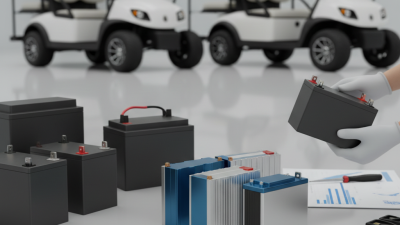
Best Low-Speed Vehicle Battery Options in China for Global Buyers?
As the world shifts towards sustainable transportation, the demand for efficient Low-Speed Vehicle Battery solutions is rising. In China, manufacturers are increasingly focused on designing batteries that cater to the unique needs of low-speed vehicles. These vehicles play an essential role in urban logistics and short-distance travel, making reliable battery choices crucial.
Selecting the right Low-Speed Vehicle Battery involves various factors. Battery capacity, lifespan, and charging time are vital elements for both manufacturers and consumers. Buyers must navigate a fast-evolving market with numerous options and specifications. However, challenges persist. Not all batteries available are of high quality or suited for all conditions.
Standards across different regions may vary, sometimes leading to confusion. This complexity highlights the need for careful research and discernment. Potential users should seek batteries that not only meet their immediate needs but also promise long-term performance. In this landscape, informed choices lead to sustainable innovations for future urban mobility.
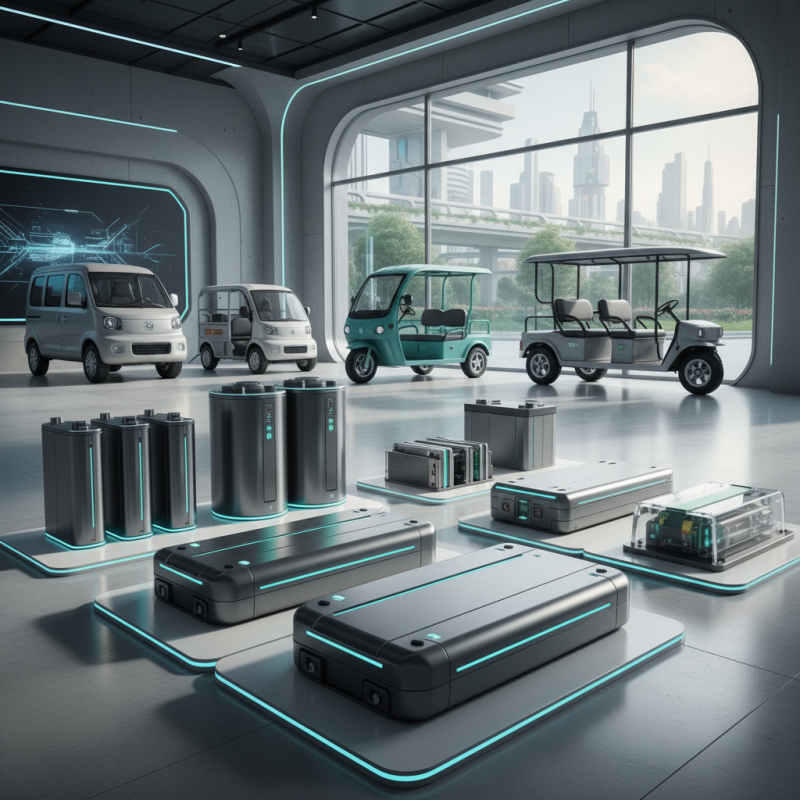
Best Low-Speed Vehicle Battery Options in China for Global Buyers
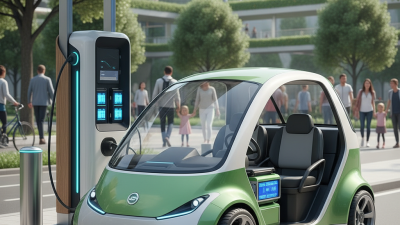
In recent years, low-speed electric vehicles (LSVs) have gained popularity in China, attracting global buyers. These vehicles offer unique advantages, such as low maintenance costs and ease of use. As demand grows, selecting the right battery becomes crucial for optimal performance.
Several battery options stand out for LSVs. Lithium-ion batteries are known for their longevity and efficiency. They provide excellent energy density and faster charging times. However, they can be expensive and require careful recycling, which may be a concern for eco-conscious buyers. Lead-acid batteries are more budget-friendly but have a shorter lifespan and heavier weight, making them less desirable.
Choosing the best battery involves weighing these factors. While performance is vital, buyers should also consider availability and supply chain issues. Not all batteries meet safety and quality standards. It's essential to research manufacturers carefully. Buyers must reflect on their usage patterns and needs, recognizing that the perfect battery may not exist. Balancing cost with performance is often a challenge.
Battery Capacity Comparison for Low-Speed Vehicles in China
Overview of Low-Speed Vehicle Battery Market Trends in China
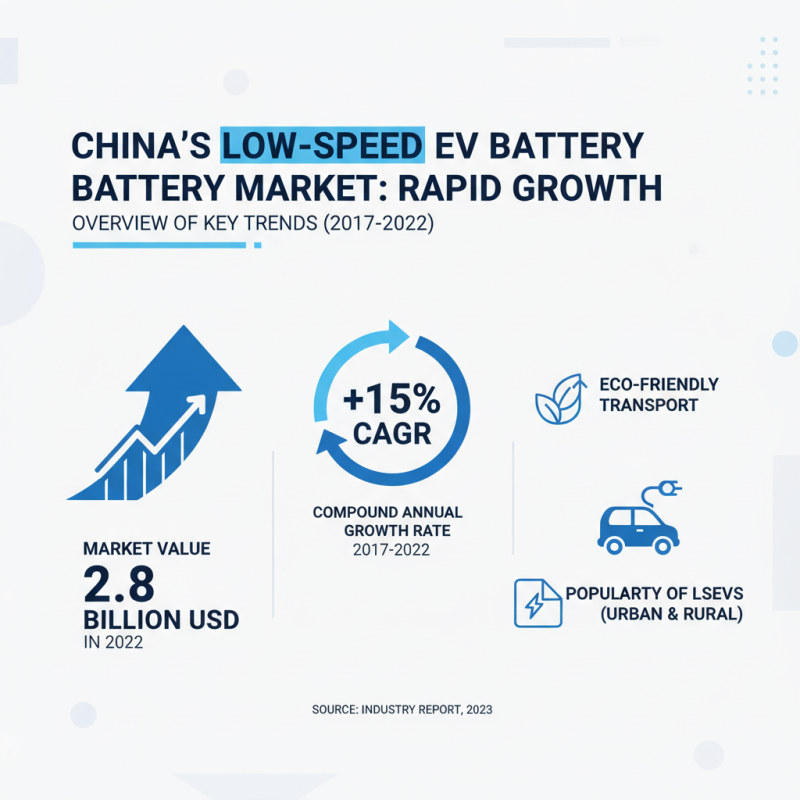
The low-speed vehicle battery market in China is experiencing significant growth. In 2022, the market reached a value of approximately $2.8 billion, reflecting a compound annual growth rate (CAGR) of 15% since 2017. This rapid expansion is driven by the increasing demand for eco-friendly transportation solutions and the growing popularity of low-speed electric vehicles (LSEVs) in both urban and rural areas.
A notable trend is the shift toward lithium-ion batteries. These batteries are favored for their high energy density and longevity. Reports indicate that lithium-ion batteries account for over 70% of the total battery market for low-speed vehicles. However, there are concerns around raw material availability and recycling processes. The industry is increasingly looking at alternative battery technologies such as sodium-ion batteries for sustainability. Market analysts suggest that these newer technologies could offer a viable solution to current supply chain challenges.
Despite optimistic projections, barriers remain. Issues such as inadequate infrastructure and regulatory hurdles hinder wider adoption. Moreover, some manufacturers struggle with quality control in production, leading to inconsistent battery performance. Such challenges underscore the need for ongoing innovation and collaboration among stakeholders to improve market efficiency and consumer confidence.
Comparison of Lithium-Ion and Lead-Acid Batteries for Low-Speed Vehicles
When choosing batteries for low-speed vehicles in China, buyers often consider
lithium-ion and
lead-acid options.
Lithium-ion batteries are known for their lightweight design and high energy density. They offer a longer cycle life, making them a popular choice among users. Many drivers appreciate their ability to hold a charge longer than traditional batteries, contributing to convenience.
Lead-acid batteries, on the other hand, are typically more affordable upfront. They have a robust history of use in various applications. However, they tend to have a shorter lifespan compared to lithium-ion batteries. Users may find themselves replacing lead-acid batteries more frequently. This can lead to increased long-term costs and environmental concerns.
Both battery types have their pros and cons. Users might prefer lithium-ion for performance but may struggle with the higher initial investment. Lead-acid batteries appeal to budget-conscious buyers, yet they require more frequent replacements. It's essential for buyers to weigh these factors carefully. Battery choices can significantly impact the overall efficiency and longevity of low-speed vehicles.
Key Manufacturers of Low-Speed Vehicle Batteries in China: A Market Analysis
China's low-speed vehicle (LSV) market is rapidly evolving. The battery sector plays a critical role in this growth. Key manufacturers are focusing on developing advanced battery technologies. They aim to enhance efficiency and longevity. The competition is fierce, with both established players and new entrants.
Many manufacturers offer lithium-ion batteries due to their lightweight and high energy density. However, some companies are still exploring lead-acid options. This choice can limit vehicle performance and battery life. Market players must address these trade-offs to meet consumer demands effectively.
Safety remains a paramount concern for manufacturers. Quality control processes are essential for battery production. Issues like thermal runaway can pose risks if not properly managed. Companies need to invest in better testing and safety protocols. Finding a balance between innovation, safety, and cost-effectiveness is crucial for success. The future holds opportunities, but challenges persist.
Regulatory Standards Impacting Battery Production and Safety in China
The regulatory landscape in China significantly influences the production and safety of low-speed vehicle batteries. China has implemented stringent standards, such as GB/T 31467.3 for lithium-ion batteries and the more recent Recycling Standard for Batteries. This ensures that manufacturers adhere to safety and environmental guidelines. The China Nonferrous Metals Industry Association reported that compliance with these standards can reduce battery failure incidents by 30%. This regulatory oversight demonstrates China’s commitment to improving battery safety.
For global buyers, understanding these regulations is crucial. They ensure that the batteries produced meet international safety norms. However, navigating the regulatory requirements can be complex. Each province may have specific guidelines that differ from national standards. Buyers should consult local experts to mitigate potential risks related to battery imports.
Tip: Always verify battery compliance certificates before purchase. It ensures you are getting a product that meets both safety and quality standards.
The supply chain for low-speed vehicle batteries is also affected by these regulations. Manufacturers face pressure to innovate while staying compliant. Reports indicate that many manufacturers struggle to balance cost and quality. Investing in research and development can be a double-edged sword. Increased costs may deter some buyers, but innovation can lead to safer, more efficient products in the long run.
Conclusion
The article explores the landscape of Low-Speed Vehicle Battery options in China, catering to the needs of global buyers. It begins by outlining the current market trends, highlighting the growing demand for efficient and sustainable battery solutions. A detailed comparison between lithium-ion and lead-acid batteries emphasizes their respective benefits and limitations for low-speed vehicles, assisting potential buyers in making informed decisions.
Additionally, the article delves into key manufacturers in the Chinese battery market, providing insights into their production capabilities and innovative approaches. The impact of regulatory standards on battery production and safety is also examined, ensuring that the batteries meet essential safety benchmarks. Finally, the discussion on future innovations underscores the potential advancements in low-speed vehicle batteries, hinting at a promising evolution in this sector that aligns with global trends towards greener technologies.