How to Choose the Best Lithium Battery for Your Needs?
When selecting the best Lithium Battery for your needs, understanding your requirements is crucial. Lithium batteries come in various types, sizes, and capacities. Each option has its specific benefits and drawbacks. Evaluating these can be daunting, especially with so many products available.
Lithium batteries are popular due to their efficiency and longevity. They power everything from smartphones to electric vehicles. However, not all lithium batteries are created equal, and the right choice depends on your usage. Think about how you intend to use the battery. Do you require a lightweight option? Do you need high capacity?
Choosing a Lithium Battery involves considering factors like size, weight, cycle life, and discharge rate. These details may seem tedious, but they determine how well a battery works in real-world applications. Conducting thorough research is vital, as the wrong battery might fail to meet your expectations. Finding the balance between performance and cost requires thought and reflection. The right Lithium Battery can enhance your devices significantly.
Understanding the Basics of Lithium Batteries and Their Types
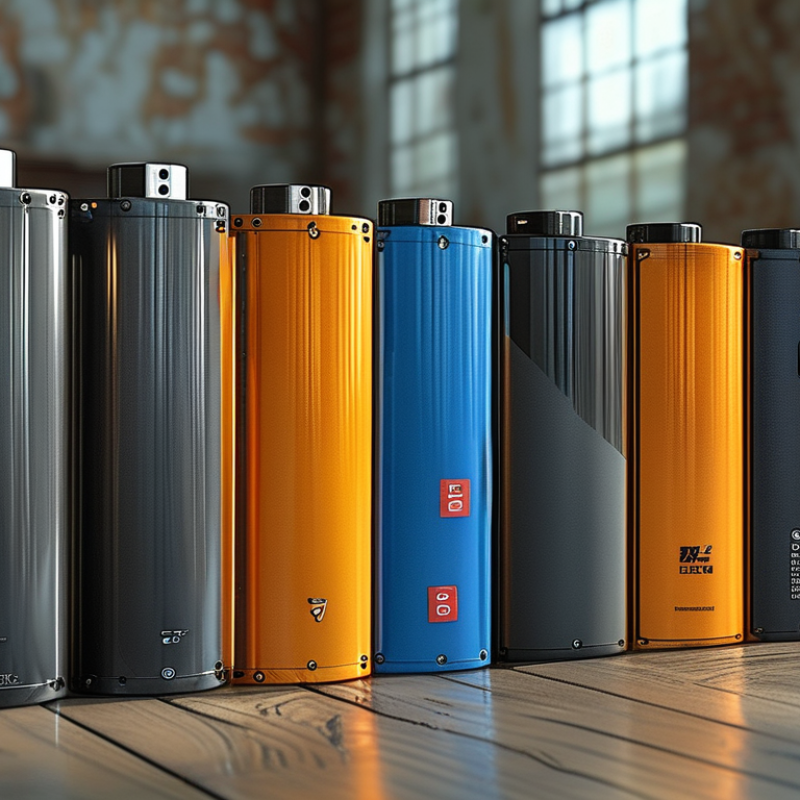
Lithium batteries come in various types, each designed for specific applications. Understanding these types is crucial for making an informed choice.
Lithium-ion, for instance, is popular due to its high energy density and rechargeable nature. It's commonly found in consumer electronics, offering reliability and longevity.
Another type is lithium polymer, which boasts a lighter weight and flexibility in shape. This makes it ideal for compact devices. However, it can be more expensive and might require careful handling to prevent damage.
Both types have advantages, but factors like size, weight, and cost should be evaluated based on your needs.
You might find that the right battery for one application isn't suitable for another. Assessing the required voltage, capacity, and power output is often overlooked. Some users choose a battery that offers high performance but forget to consider the weight or size limitations in their device. This mismatch can lead to frustration. Conduct thorough research before making a decision.
Assessing Battery Specifications: Capacity, Voltage, and Discharge Rate
Choosing the best lithium battery involves understanding crucial specifications: capacity, voltage, and discharge rate. Capacity, measured in amp-hours (Ah), indicates the battery's ability to store energy. A higher capacity offers longer usage times, making it essential for applications like solar storage or electric vehicles. Industry data shows that a typical lithium battery can range from 20Ah to 100Ah, depending on the use case.
Voltage is another critical aspect. Most lithium batteries operate between 3.0V to 4.2V per cell. The total voltage influences how well the battery performs in your device. For example, a 12V battery consists of four 3.7V cells in series. Always verify that the voltage meets your device's requirements to avoid performance issues.
Discharge rate, represented as C-rate, indicates how quickly a battery can be drained. Understanding this helps you choose batteries for high-drain applications, like power tools or drones. A battery rated at 1C can release its capacity in one hour. Consider your needs; sometimes, a lower discharge rate is sufficient, which can extend battery life.
**Tip:** Always check for application-specific requirements. This can save you from overpaying for unnecessary capacity.
**Tip:** Regularly assess your battery's performance. Environmental conditions can affect longevity and efficiency.
Selecting the right lithium battery requires careful consideration of specifications. Adjusting your choices based on these factors can lead to superior outcomes in performance and lifespan.
Evaluating Your Power Needs: Analyzing Usage and Duration
When selecting a lithium battery, understanding your power needs is crucial. Start by analyzing how often you'll use the battery. Consider everyday usage versus occasional tasks. This assessment will guide you in choosing the right capacity. For portable devices, a smaller battery may suffice. However, heavier equipment often requires a larger, more durable option.
Next, think about the duration of your power needs. Do you need sustained energy for hours, or will short bursts be enough? For extended use, look for batteries with high energy density. That can support longer operation times. If you're working on a project demanding fluctuating power levels, a battery with variable output can be beneficial.
Don’t forget to reflect on your environment. Extreme temperatures can affect performance. A battery that works well inside might fail outside. Be mindful of these factors as you compare options. Choosing the appropriate lithium battery is not just about power; it’s about ensuring reliability in your specific context.
Battery Capacity Comparison for Different Applications
Comparing Performance Metrics: Lifespan, Cycle Life, and Safety Features
When comparing lithium batteries, it's essential to evaluate key performance metrics: lifespan, cycle life, and safety features. Lifespan indicates how long the battery can hold a charge before degradation begins. Typically, higher-quality batteries can last several years. A battery that supports longer lifespans can save you money in the long run.
Cycle life refers to the number of complete charge and discharge cycles a battery can undergo before significant capacity loss. This metric varies greatly among different battery types. For instance, a battery with a cycle life of 500 cycles may need replacement sooner than one with 2,000 cycles. Users should choose a battery based on their usage patterns, considering how often they charge and discharge it.
Safety features are critical in preventing overheating and potential hazards. Look for batteries with built-in safety mechanisms. These can protect against overcharging and short circuits. Sometimes, batteries with advanced safety features come at a premium. While it might seem worth saving money, prioritizing safety can prevent costly accidents.
Tips: Always check for independent testing certifications. Research user experiences. Don't overlook the importance of warranty offers; they indicate the manufacturer's confidence in their product.
Selecting the Right Battery for Your Application: Portable, Solar, or Stationary
Choosing the right lithium battery depends on your specific needs. There are three main categories: portable, solar, and stationary. Each has unique characteristics suited to different applications.
Portable batteries are generally lightweight and compact. They are ideal for devices such as laptops, cameras, and tools. A report by the International Energy Agency indicates that these batteries could lead to a 30% increase in efficiency for mobile applications. Keep in mind that not all portable batteries can withstand extreme temperatures.
Solar batteries, on the other hand, store energy for later use. They must have a longer life span and high cycle stability. According to the U.S. Department of Energy, solar batteries contributed to a 40% reduction in energy costs for households utilizing renewable sources. However, one must reflect on the initial investment versus long-term savings.
Stationary batteries are typically larger and designed for fixed installations. These batteries often support energy grid applications or backup power solutions. A study indicated that their robustness can enhance energy reliability by up to 25%. However, selecting the wrong size can lead to inefficiencies.
Tips: Always consider the cycle life when choosing a battery. Look for options with a high charge-discharge cycle rating. Assess your application demands thoroughly. Invest time in research before finalizing your choice.
How to Choose the Best Lithium Battery for Your Needs?
| Application Type |
Voltage (V) |
Capacity (Ah) |
Weight (kg) |
Cycle Life |
Temperature Range (°C) |
| Portable Devices |
3.7 |
2.0 |
0.25 |
500 |
-20 to 60 |
| Solar Storage |
12.8 |
100 |
29 |
3000 |
-10 to 50 |
| Stationary Applications |
48 |
200 |
60 |
5000 |
0 to 50 |
| Electric Vehicles |
48 |
100 |
35 |
2000 |
-20 to 60 |