How to Choose the Best Lithium RV Battery for Your Needs?
Choosing the best lithium RV battery involves understanding your unique needs. The rise of lithium technology has transformed RV power solutions. Recent industry reports indicate that lithium batteries are 30% more efficient than traditional lead-acid batteries. This efficiency means lighter weight and longer lifespans, typically lasting over 10 years.
Many RV enthusiasts are now opting for lithium RV batteries due to their rapid charging capabilities. They can charge up to five times faster than lead-acid counterparts. However, this technology can also pose challenges. While lithium batteries provide great power, their initial cost can be higher. It’s crucial to weigh the upfront investment against long-term benefits.
When selecting a lithium RV battery, consider the battery's capacity, weight, and size. Some batteries are designed for specific usage patterns, like boondocking or family road trips. Understanding these factors ensures you can maximize your RV experience. Performance and reliability are key. So, take the time to analyze options. Choose wisely to meet your needs.
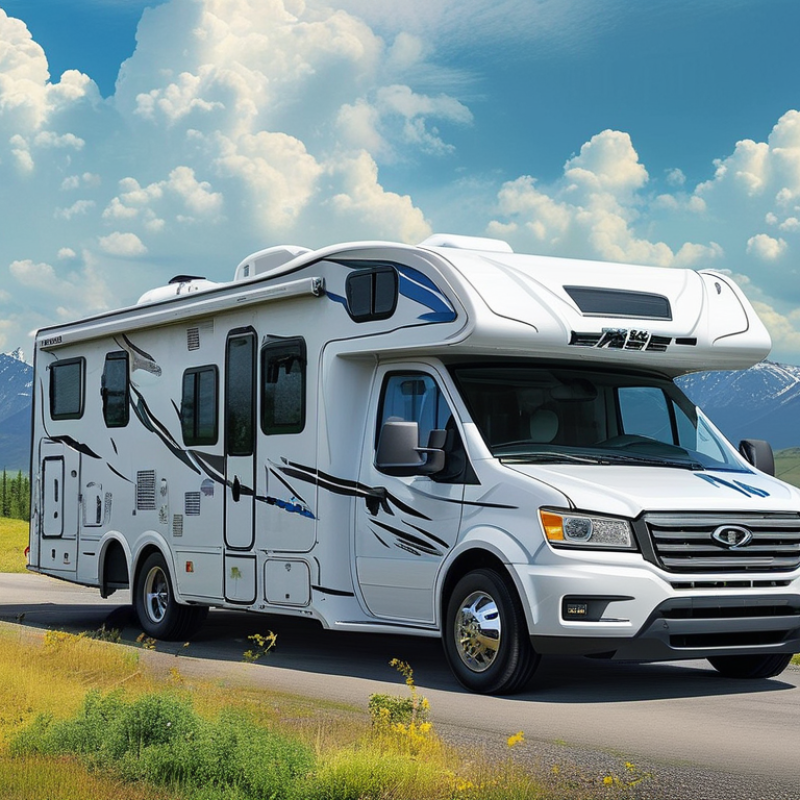
Factors to Consider When Selecting a Lithium RV Battery for Your Needs
When selecting a lithium RV battery, several critical factors come into play. The capacity of the battery is one of the most important. Typically, this is measured in amp-hours (Ah). A larger capacity means the battery can power more devices for a longer time. Research indicates that most RVers prefer batteries with at least 100Ah to ensure adequate power for extended trips.
Weight is another significant consideration. Lithium batteries are lighter than lead-acid alternatives. A typical lithium battery can weigh 30-35% less, making it easier to handle. Nonetheless, users must also assess the weight distribution in their RV. Poor weight distribution can impact handling and fuel efficiency.
Additionally, the battery's lifecycle is essential. Most lithium batteries have a lifespan of 2,000 to 5,000 cycles compared to only 500 to 1,500 cycles for lead-acid batteries. This makes lithium a more cost-effective option over time. But buyers should be wary of cheaper alternatives that may have inferior performance. Always check specifications against reliable industry reports. It’s vital to balance cost, performance, and your specific energy needs before making a choice.
Understanding Battery Capacity: Ah Ratings and Their Importance
Selecting the right lithium RV battery begins with understanding their capacity, often indicated by ampere-hours (Ah). The Ah rating reflects the energy the battery can store. For example, a 100 Ah battery can provide 5 amps for 20 hours. This means longer trips with more power for appliances. Choosing the proper Ah rating is essential to match your energy needs.
Many RVers overlook their actual energy consumption. Research shows that average RV appliances require between 30-50 amp-hours daily. If your battery's Ah rating is too low, you risk running out of power during a trip. Capacity should not just meet your needs but allow for some wiggle room. Additionally, batteries degrade over time, losing capacity. Consider this when selecting your battery.
Tips: Always overestimate your Ah needs. Many users find themselves needing more energy than expected. Check your appliances' specifications to calculate overall requirements. Balance capacity with weight; heavier batteries can reduce RV maneuverability. Remember, safety first. Regularly inspect your battery for any signs of damage or corrosion. This can prevent larger issues down the road.
Comparing Various Lithium Battery Technologies and Their Advantages
When selecting a lithium RV battery, it is essential to consider the various technologies available. The primary types are Lithium Iron Phosphate (LiFePO4) and Lithium Nickel Manganese Cobalt (NMC).
LiFePO4 batteries often provide greater thermal stability. They boast a cycle life of over 3,500 charges. This can be crucial for frequent travelers relying on consistent power. On the other hand, NMC batteries tend to offer a higher energy density. This means they can store more energy in a smaller footprint.
Research indicates that the efficiency of lithium batteries can reach up to 95%. This efficiency translates into longer usage times between charges. It's important to note that different batteries may perform variably under extreme temperatures. A report from the Department of Energy highlights that temperature fluctuation can decrease lifespan by 20%. Selecting a battery that minimizes this risk can lead to better long-term performance.
Cost is also a significant factor. While initial pricing for lithium batteries can be high, their longevity and efficiency lead to overall savings. According to industry estimates, RV owners can save up to 30% in energy costs over traditional batteries. Think about how often you camp and your power needs. Not every battery type will suit every lifestyle. Balancing these factors ensures you choose a battery that meets your RVing goals.
Evaluating the Cost-Effectiveness of Lithium Batteries for RVs
When evaluating the cost-effectiveness of lithium batteries for RVs, several factors come into focus.
Lithium batteries offer significantly longer lifespans compared to traditional lead-acid options.
Reports indicate that lithium batteries can last up to 10 times longer. This longevity translates into lower long-term replacement costs.
However, the initial price point can be a deterrent. It’s common to see lithium RV batteries priced at two to three times that of lead-acid batteries.
Installation and maintenance also play a role in the overall cost. Lithium batteries generally require less maintenance and have
simpler installation processes. Moreover, their lightweight design can improve overall RV fuel efficiency.
Studies show that an RV equipped with lithium batteries can reduce operational costs over time. Yet, it’s essential to weigh these benefits against the higher upfront investment.
The average cost for a quality lithium RV battery ranges from $800 to $2,000, depending on capacity.
Lastly, the performance in various weather conditions deserves attention. Lithium batteries operate efficiently in both hot and cold environments.
But they may face challenges in extreme temperatures. This could affect their reliability and performance. Evaluating these aspects helps determine if the long-term savings justify the initial investment.
Ultimately, assessing your specific needs and usage patterns is crucial in deciding the best battery for your RV.
Determining the Right Battery Weight and Size for Your RV Setup
Choosing the right battery weight and size is crucial for RV setups. Lithium batteries come in various weights, which impacts performance and installation. A typical lithium RV battery weighs between 30 and 50 pounds. This weight range suits most RV configurations. When selecting a battery, you need to consider your RV's overall weight capacity.
Size matters too. Batteries must fit the designated space in your RV. Standard dimensions for lithium batteries can range from 12 x 6 x 9 inches to larger models. A 100 Ah lithium battery typically provides ample power for small to medium-sized RVs. However, if your setup requires more energy, a larger capacity battery becomes necessary.
Many RV owners overlook the importance of power-to-weight ratio. A balance between these factors enhances fuel efficiency and optimizes your travel experience. Some studies suggest that keeping battery weight under 15% of the RV's total weight improves handling. Not accounting for battery size can lead to cramped spaces or inefficient designs. Measure carefully. Reflect on what works best for your unique needs.
Comparison of Lithium RV Battery Sizes and Weights