Why Are Lithium Batteries So Important for Our Future Energy Needs
As the world transitions towards a more sustainable energy future, the role of Lithium Batteries has become increasingly pivotal. According to a report by MarketsandMarkets, the global lithium-ion battery market is projected to reach $129.3 billion by 2027, growing at a CAGR of 13.4% from 2022. This growth underscores how integral lithium batteries are in powering the renewable energy systems that are essential for reducing carbon emissions and combating climate change.
Dr. Sarah H. Johnson, a leading expert in energy storage technologies, emphasizes the significance of lithium batteries by stating, "Lithium batteries are not just a technological marvel; they are a cornerstone of our future energy paradigm, enabling efficient energy storage and facilitating the transition to electric mobility." With the rise of electric vehicles and grid storage solutions, the demand for lithium battery technology continues to expand, demonstrating its critical role in meeting future energy needs.
The shift towards electric solutions has been fueled by increasing global investments in renewable energy infrastructure, which rely heavily on the unique properties of lithium batteries, including their high energy density and efficiency. As we navigate through the complexities of energy transitions, the ongoing advancements in lithium battery technology position it as an indispensable element in achieving a sustainable and electrified future.
The Role of Lithium Batteries in Renewable Energy Integration
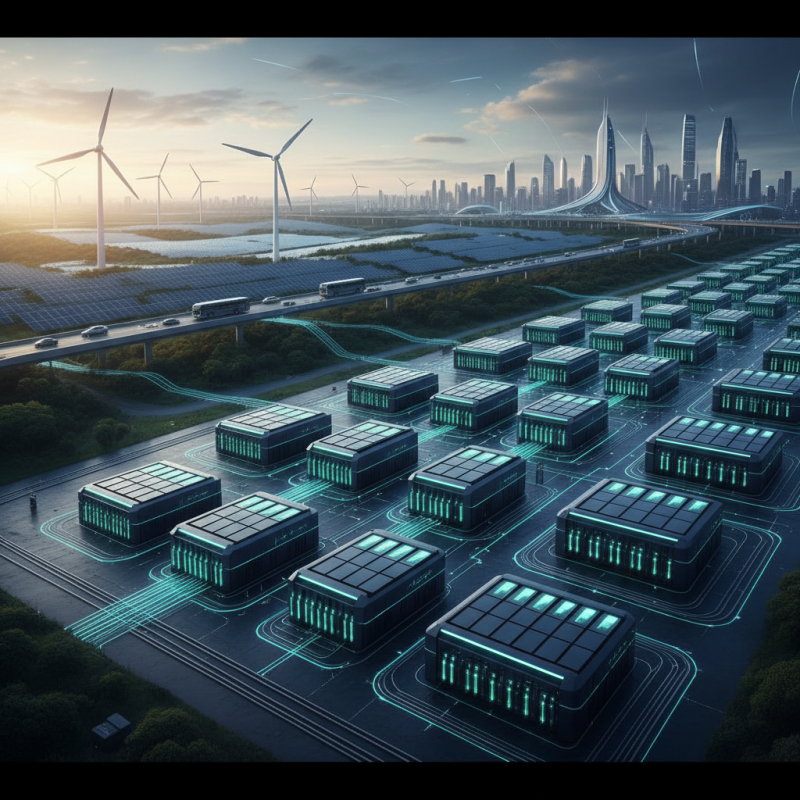
The integration of renewable energy sources like solar and wind power into the grid has become a pressing necessity for achieving a sustainable energy future. Lithium batteries play a vital role in this integration by providing efficient energy storage solutions that address the intermittent nature of these resources. According to a report by Bloomberg New Energy Finance, the global battery storage market is projected to grow from 3 gigawatt-hours (GWh) in 2020 to more than 1,000 GWh by 2040, primarily driven by the demand for lithium-ion technology. This rapid advancement in battery technology not only supports energy stability but also enhances grid resilience.
Furthermore, lithium batteries enable the effective management of energy supply and demand. By storing excess energy generated during peak production times—such as sunny afternoons for solar power—the energy can be released during periods of high demand or lower energy generation. The International Energy Agency projects that battery storage will account for 40% of global power capacity needs by 2030, significantly reducing reliance on fossil fuels. As countries strive to meet their climate goals, the role of lithium batteries in optimizing renewable energy systems becomes increasingly crucial for achieving a low-carbon future.
Advancements in Lithium Battery Technology and Their Impact
Recent advancements in lithium battery technology have significantly transformed the energy landscape, driving forward the development of renewable energy solutions. One of the most notable improvements is the enhancement of energy density, which allows lithium batteries to store more energy in a smaller and lighter package. This advancement is crucial for electric vehicles (EVs), as it extends their range and reduces charging time, making them a more viable alternative to traditional combustion engines. Furthermore, progress in battery life cycles has led to longer-lasting batteries, which decreases the frequency of replacements and enhances sustainability.
In addition to improvements in efficiency and longevity, innovations in lithium battery materials and manufacturing processes promise to make production more environmentally friendly and cost-effective. Researchers are exploring alternative materials that reduce reliance on rare earth elements, which can be expensive and environmentally damaging to extract. Moreover, developments in recycling technologies are paving the way for closed-loop systems, allowing for the recovery and reuse of lithium and other materials. As these advancements continue, lithium batteries are not only becoming more integral to our energy needs but also promoting a more sustainable future, ultimately supporting the transition to a low-carbon economy.
Environmental Benefits of Lithium Batteries Compared to Traditional Options
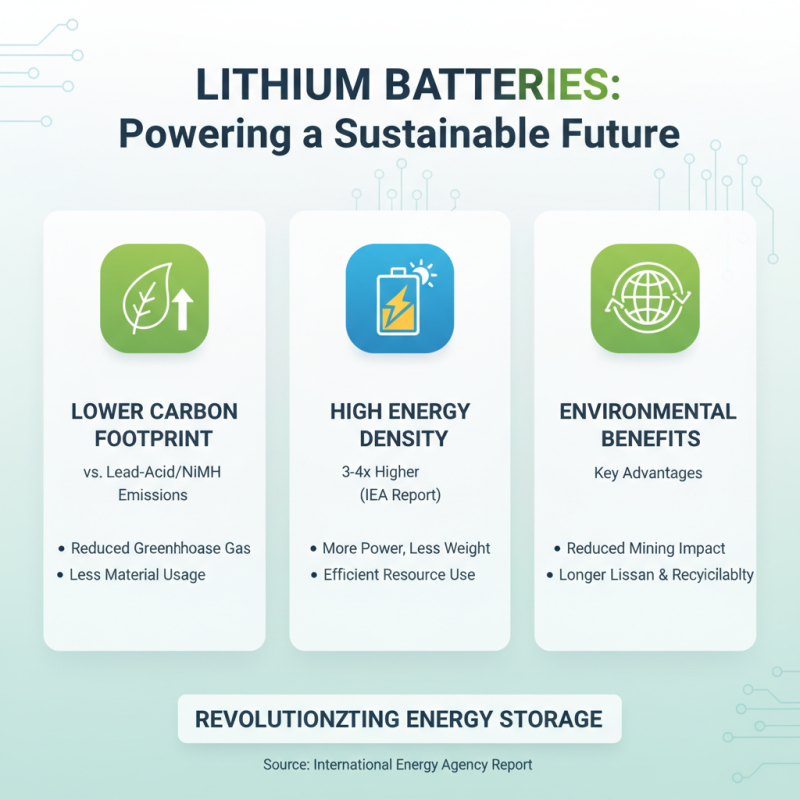
Lithium batteries are revolutionizing energy storage and are pivotal in addressing global energy demands sustainably. One of the key environmental benefits of lithium batteries is their lower carbon footprint compared to traditional lead-acid or nickel-metal hydride batteries. According to a report from the International Energy Agency, lithium batteries have an energy density that is typically three to four times higher than their alternatives, which translates to less material usage and lower emissions during production. This enhanced efficiency not only reduces greenhouse gas emissions during the battery lifecycle but also necessitates fewer raw materials to be mined and processed.
In terms of recyclability, lithium batteries also present significant advantages. A study by the National Renewable Energy Laboratory (NREL) indicates that lithium-ion batteries can be recycled with up to 90% efficiency, recovering valuable materials such as lithium, cobalt, and nickel for reuse. This not only diminishes the strain on natural resources but also minimizes landfill waste, significantly reducing the environmental impact. As the demand for electric vehicles and renewable energy storage surges, the shift towards lithium batteries is crucial for fostering a cleaner, more sustainable future in energy management. By reducing reliance on less sustainable options, we can ensure that our energy needs are met without undermining the health of our planet.
Challenges in Lithium Battery Production and Recycling
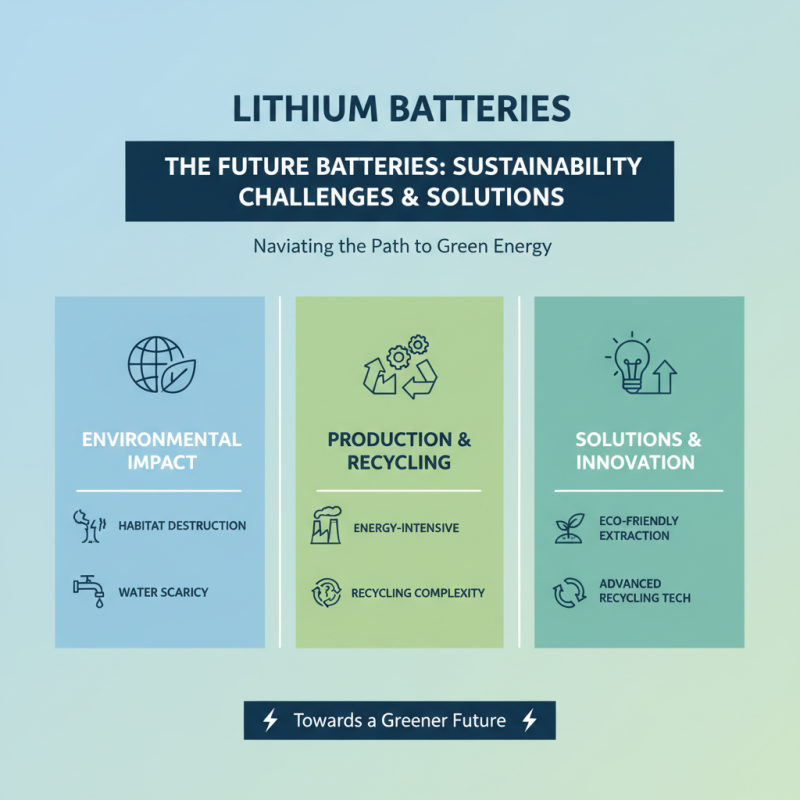
The rise of lithium batteries marks a significant milestone in our pursuit of sustainable energy solutions. However, their production and recycling pose substantial challenges that need to be addressed to ensure their viability in the long term. The extraction of lithium involves considerable environmental impact, often leading to habitat destruction and water shortages in mining regions. Moreover, the production process can be energy-intensive, raising questions about its overall sustainability.
Recycling lithium batteries is also fraught with difficulties. Current recycling technologies are not yet widespread or efficient, leading to a considerable amount of lithium waste. As battery technologies evolve, the need for advanced recycling methods becomes increasingly urgent. Finding ways to reclaim valuable materials from used batteries is essential to reduce dependence on virgin resources while minimizing environmental harm.
**Tips:** To contribute to a more sustainable future, consider supporting companies that prioritize ethical sourcing and innovative recycling solutions in their lithium battery operations. Additionally, familiarize yourself with local recycling programs for batteries to ensure these materials are disposed of responsibly. Engaging in conversations about sustainable energy can also raise awareness and drive demand for better practices in battery production and recycling.
Future Trends and Innovations in Lithium Battery Development
The evolution of lithium battery technology is at the forefront of addressing the growing energy demands of the future. As industries shift towards sustainable solutions, innovations in battery chemistry are crucial. Researchers are exploring new materials such as solid-state electrolytes, which promise enhanced safety and higher energy densities. These advancements aim to improve the efficiency and longevity of batteries, reducing the need for frequent replacements and fostering a more sustainable lifecycle for energy storage.
Furthermore, the integration of lithium batteries into renewable energy sources is becoming increasingly prominent. Innovations in scalability, such as the development of larger battery systems for grid storage, will enable the effective use of solar and wind energy. Additionally, enhanced recycling methods are being researched to minimize waste and recover valuable materials. As these trends continue, the future of energy storage will not only hinge on performance improvements but also on sustainability and environmental impact, making lithium batteries a key player in the quest for a cleaner energy future.