2025 Top Lithium Car Battery Innovations for Electric Vehicle Efficiency
The rise of electric vehicles (EVs) marks a new era in transportation. Central to this revolution is the Lithium Car Battery. These batteries are crucial for improving efficiency and performance in EVs. As the demand for sustainable energy grows, innovations in lithium technology become critical.
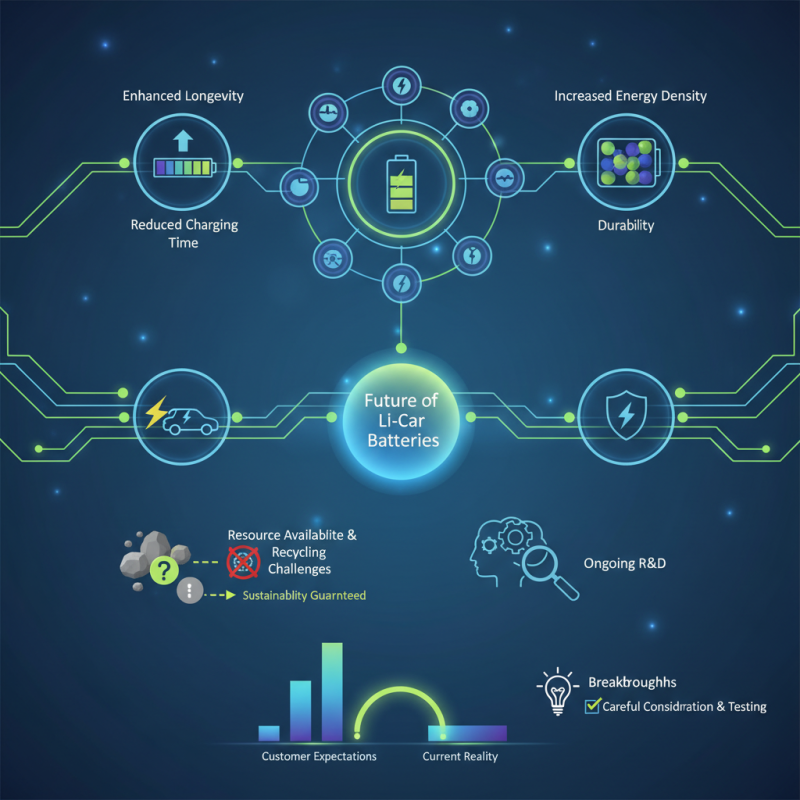
Recent advancements focus on enhancing battery longevity and reducing charging time. New materials promise to increase energy density and durability. However, challenges remain, such as resource availability and recycling. Many developers strive for solutions, yet sustainability is not guaranteed.
The journey toward optimal lithium batteries involves ongoing research and development. Customer expectations often outpace reality, creating a gap to bridge. Potential breakthroughs offer hope but require careful consideration and testing. The future of the Lithium Car Battery is full of possibilities and uncertainties, prompting a need for reflection and adaptation.
2025 Trends in Lithium Battery Technology for EVs
As electric vehicles (EVs) become more commonplace, lithium battery technology is evolving rapidly. The year 2025 will witness significant trends aimed at enhancing efficiency. Innovations in battery materials will focus on improving energy density. This means batteries can store more energy in less space. It opens up possibilities for lighter and more efficient EV designs.
Fast charging capabilities are also advancing. New methods aim to reduce charging time significantly. Imagine a battery that can recharge to 80% in just 15 minutes. However, this technology comes with challenges, such as heat management. Balancing quick charging while ensuring safety will require careful engineering.
Recycling of lithium batteries is gaining attention. As more EVs hit the roads, managing waste becomes crucial. Developing efficient recycling processes can recover valuable materials. However, many recycling methods still need refinement. Sustainable practices are essential, but the current systems may not meet demand. This highlights the need for further innovation in lithium battery technology.
2025 Trends in Lithium Battery Technology for EVs
Advancements in Lithium-Ion Battery Chemistry for Enhanced Performance
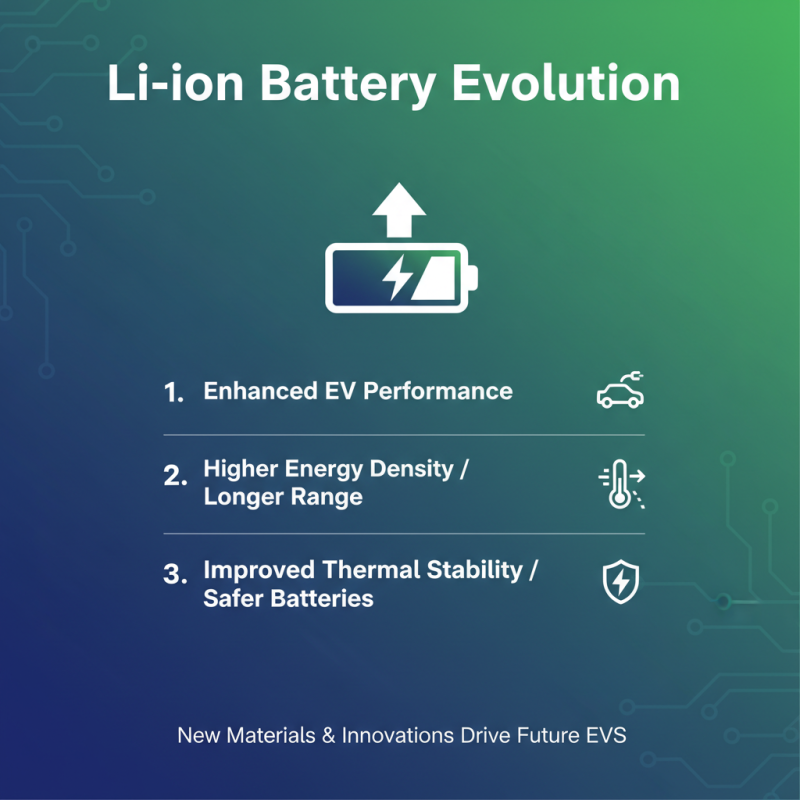
Lithium-ion battery chemistry is evolving rapidly. Innovations in this area aim to enhance electric vehicle performance. Researchers are exploring new materials to improve energy density. This can lead to longer driving ranges, addressing a common concern among users. Improved thermal stability is also a focus. Safer batteries will reduce risks associated with overheating.
Nanotechnology is making waves in battery design. By using nanoscale materials, batteries can charge faster and hold more energy. However, some challenges remain. The balance between cost and efficiency is vital. High-performance materials often come with elevated production costs. This raises questions about affordability and accessibility for consumers.
Moreover, recycling methods are under scrutiny. As lithium batteries gain popularity, eco-friendly solutions are necessary. Current recycling processes are not efficient enough to keep pace with production. Innovations in recycling must match battery advancements. This intersection is critical for a sustainable future in electric vehicles.
Innovative Battery Designs for Increased Energy Density in Electric Vehicles
Innovative battery designs are crucial for enhancing electric vehicle (EV) efficiency. As the demand for longer ranges increases, engineers are focusing on energy density improvements. One approach is using advanced materials. Solid-state batteries show promise. They can store more energy compared to traditional lithium-ion units.
Temperature management is another key factor in battery performance. Innovative cooling systems help maintain optimal conditions. This can reduce degradation and extend battery life. A lighter battery design could also minimize weight and improve range. Power vs. weight balance remains a challenge in engineering. How to perfect this ratio is still an open question.
Tips for consumers include monitoring battery health and performance. Regular checks can prevent larger issues down the line. Consider the impact of charging habits. Rapid charging might save time but can affect longevity. Always explore new technologies that hit the market. They could offer improvements that align with energy density goals.
Sustainable Materials and Recycling Solutions for Lithium Batteries
Lithium batteries play a crucial role in the electric vehicle (EV) market. As demand for EVs rises, so does the need for sustainable materials. Current lithium extraction methods pose environmental challenges. Reports indicate that traditional mining harms ecosystems and consumes vast water resources. This raises questions about the long-term viability of lithium sourcing.
Sustainable alternatives are emerging. Researchers are exploring ways to reclaim lithium from spent batteries. Up to 95% of lithium can be recycled efficiently, reducing waste. Innovative processes are being developed to enhance battery recycling, significantly minimizing environmental impact. New materials, such as bio-based components, show promise for the battery production process.
However, not all advancements are perfect. Some recycling methods still require high energy inputs, which can offset environmental benefits. The balance between innovation and sustainability remains a complex challenge. The industry must reflect on these limitations while pursuing efficiency. In the quest for greener solutions, continuous improvement is essential.
Future Challenges and Opportunities in Lithium Battery Development for EVs
The future of lithium battery development for electric vehicles (EVs) holds exciting potential, yet also significant challenges. One key issue is the sourcing of lithium. As demand rises, securing sustainable and ethical lithium supplies becomes crucial. Many mines face environmental scrutiny. The mining processes also affect local communities. This raises ethical questions about production standards and environmental impact.
Innovations in battery technology may provide solutions. Solid-state batteries, for example, promise higher energy density and faster charging times. However, these advancements are not without hurdles. Manufacturing processes must be refined, and costs must be controlled. Researchers are exploring new materials, but breakthroughs take time. Some experimental designs have shown promise, yet scalability remains a concern.
The recycling of lithium batteries presents another opportunity. Enhancing methods for reclaiming materials can ease both supply issues and waste management. Still, the current infrastructure is often inadequate for large-scale recycling. Educating consumers about battery life cycles is essential. Public awareness can drive demand for effective recycling programs. Addressing these challenges may lead to a more efficient and sustainable future for electric vehicles.