How to Use Vanadium Redox Flow Battery for Energy Storage?
The shift toward renewable energy is accelerating. Energy storage solutions are critical for integrating renewables effectively. Vanadium Redox Flow Battery (VRFB) technology stands out. It provides scalable and sustainable energy storage options.
According to a report by the International Energy Agency (IEA), energy storage deployment could reach 10 terawatt-hours by 2040. VRFBs are particularly advantageous for large-scale applications. They offer long cycle life and deep discharge capabilities. For instance, they can last over 20,000 cycles, significantly outpacing traditional batteries.
However, the technology has its challenges. Cost remains a barrier, with installations often higher than lithium-ion systems. Additionally, vanadium sourcing can be a concern if global demand surges. The energy transition necessitates thoughtful consideration of these factors. Engaging with these complexities will be essential for maximizing the potential of Vanadium Redox Flow Battery systems.
Understanding Vanadium Redox Flow Batteries and Their Components
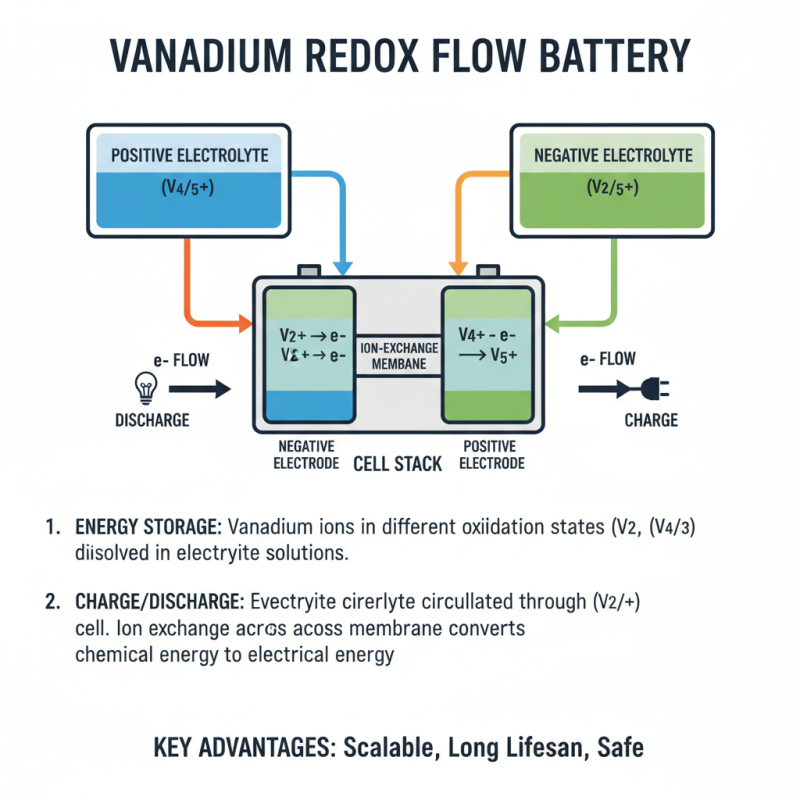
Vanadium redox flow batteries (VRFBs) are gaining attention as effective energy storage solutions. These systems use vanadium ions in different oxidation states to store and release energy. The core components include two electrolyte tanks, a pump, and a cell stack. This design allows for scalability, making VRFBs suitable for various applications.
One tip for utilizing VRFB technology is to ensure proper maintenance of the electrolyte solution. Regularly checking the pH and concentration of vanadium ions can help maintain performance. Small fluctuations can lead to significant efficiency losses.
Understanding the role of the pump is crucial. It circulates the electrolytes through the cell stack. If the pump malfunctions, energy output can drop sharply. Monitoring pump operations can prevent surprising downtime.
Remember, flow batteries are generally more complex than traditional systems. The initial setup may require a steep learning curve. It's advisable to consult experts or conduct thorough research before implementation. This way, potential challenges can be addressed proactively.
Principles of Energy Storage in Vanadium Redox Flow Batteries
Vanadium Redox Flow Batteries (VRFBs) work based on a fascinating chemical process. These batteries utilize vanadium ions in different oxidation states to store and release energy. This involves an electrolytic solution flowing through a cell where energy conversion occurs.
The basic principle centers on reversible redox reactions. When energy is needed, the vanadium ions release electrons. This process generates electricity, which can power homes or industries. When surplus energy is available, the ions can store this energy for later use. It creates a reliable buffer for energy demands. Understanding how electrolytes are managed is crucial. Mismanagement can lead to efficiency losses.
One challenge lies in the scalability of VRFBs. While they're versatile, they require significant space for installation. Plus, the energy density may not match that of other technologies. Ongoing research aims to address these limitations. Innovations may enhance both the capacity and efficiency of VRFBs, making them a more viable option for large-scale energy storage solutions.
Step-by-Step Installation Process for Vanadium Redox Flow Batteries
Installing a vanadium redox flow battery can be a game-changer for energy storage. The process, however, is not as straightforward as it seems. Start by selecting a suitable location with ample ventilation. This area should be close to the energy source. Ensure that the surface is level and stable.
Once the site is prepared, gather all necessary components. Check that the battery, pumps, and electrolyte tanks are present. It can be easy to overlook these details, so double-checking is essential. Next, connect the electrolyte tanks to the battery. Use secure fittings to prevent leaks.
Now, integrate the control system. This allows you to monitor the battery’s performance. But be mindful; wiring mistakes can lead to inefficiencies. Finally, conduct a system test. Fill the tanks with the electrolyte solution and run through the charging and discharging cycles. If something seems off, revisit the connections or calibration settings. Regular maintenance will also help in identifying and resolving issues.
How to Use Vanadium Redox Flow Battery for Energy Storage?
| Step |
Description |
Estimated Time |
Tools Required |
| 1 |
Select a suitable location for installation, ensuring proper space and ventilation. |
1 hour |
Tape measure, level |
| 2 |
Prepare the mounting platform and secure it to the floor. |
2 hours |
Drill, screws, level |
| 3 |
Install flow battery components, including tanks and pumps in place. |
3 hours |
Wrench, pliers |
| 4 |
Connect electrical wiring and ensure proper connections. |
2 hours |
Wire stripper, electrical tape |
| 5 |
Fill the tanks with electrolyte solution as per specifications. |
1 hour |
Hose, funnel |
| 6 |
Test the system for functionality and check for leaks. |
2 hours |
Multimeter, safety glasses |
| 7 |
Monitor the system and make adjustments as necessary. |
Ongoing |
N/A |
Maintenance and Troubleshooting for Optimal Performance
Maintenance is crucial for the optimal performance of a vanadium redox flow battery. Routine checks can prevent major failures. It's essential to inspect the electrolyte for proper levels and color. A clear, bright solution indicates good condition, while cloudy or dark colors signal a problem.
Tips: Regularly test the electrolyte's pH level. Keeping it within the right range ensures the battery functions effectively. Don't neglect the flow rate too. If it's inconsistent, the battery may not charge or discharge properly.
Pay attention to the connections. Ensure terminals are clean and tight. Corrosion can develop and lead to efficiency loss. If you notice any unusual sounds, investigate immediately. Ignoring them can result in deeper issues down the line.
Tips: Look for signs of wear on seals and membranes. Replace them if necessary. Regular maintenance can prolong the battery's lifespan. Keeping everything in check keeps you prepared for any unexpected challenges.
Applications and Benefits of Vanadium Redox Flow Battery Systems
Vanadium Redox Flow Batteries (VRFBs) are gaining traction for energy storage applications. They offer unique advantages in grid stabilization and renewable energy integration. A recent study highlighted that VRFBs can achieve cycle efficiencies over 75%, which is impressive compared to other battery technologies. This efficiency helps reduce operational costs significantly.
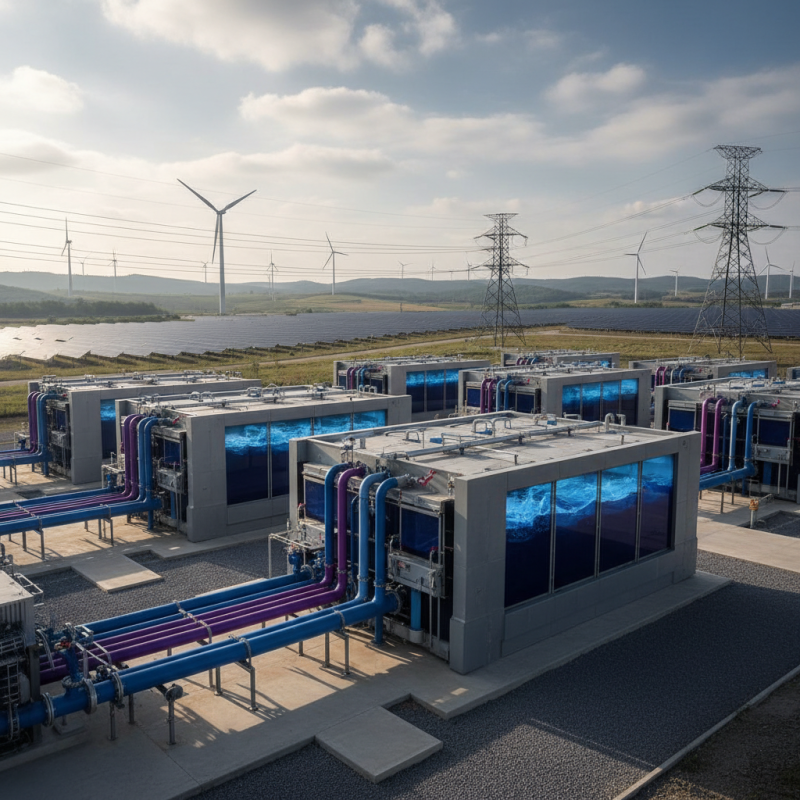
The ability to scale VRFB systems is a crucial benefit. They can be designed for small-scale or large-scale applications. This flexibility makes them ideal for various sectors. For instance, renewable energy facilities can leverage them to store excess energy. However, initial setup costs can be a barrier for some users.
Furthermore, VRFBs have long discharge durations. They can provide energy for several hours. This capability supports applications like load leveling and backup power. As the industry evolves, improving the cost-effectiveness of VRFBs remains essential. Energy managers need to evaluate both the technology's benefits and potential economic challenges.
Applications and Benefits of Vanadium Redox Flow Battery Systems