Best 10 Rechargeable Lithium Batteries for Long Lasting Power?
In today’s world, power storage is essential for many devices. Rechargeable Lithium Batteries are leading the way in this technology. Their long-lasting power and efficiency make them a popular choice. But not all rechargeable lithium batteries are created equal. Some brands and models excel while others fail to live up to expectations.
Choosing the right battery can be challenging. Factors like battery capacity, lifespan, and charging time come into play. It’s crucial to examine user reviews and expert recommendations. This can help you find reliable choices among the countless options available.
While many lithium batteries promise longevity, their actual performance may vary. Some might drain faster than advertised, or charge more slowly. Understanding these trends is important for making informed decisions. With the right knowledge, you can power your devices effectively and efficiently.
Overview of Rechargeable Lithium Batteries
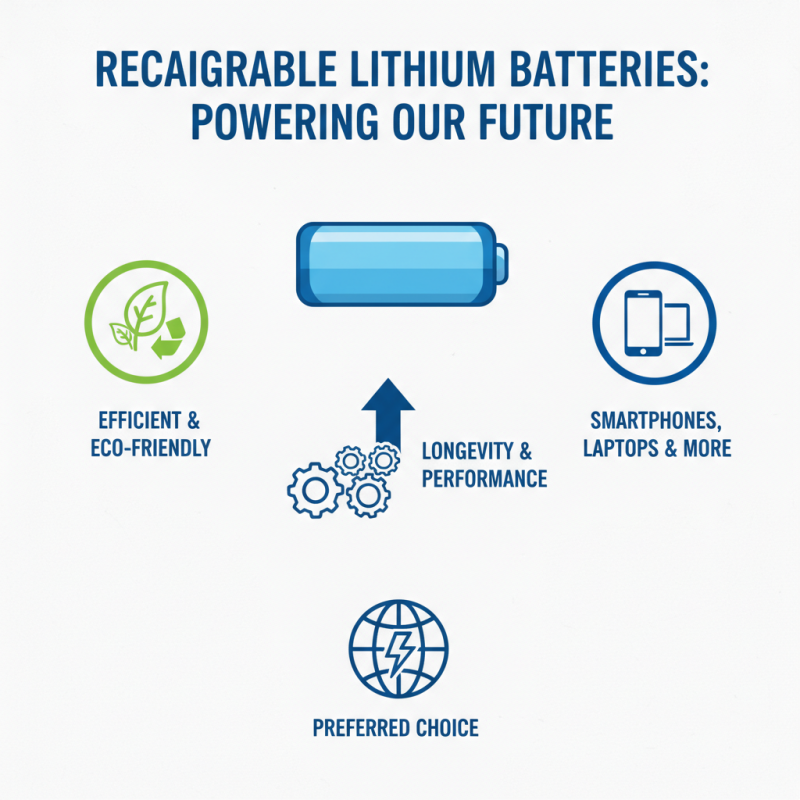
Rechargeable lithium batteries have transformed how we power our devices. They are efficient and environmentally friendly. These batteries are commonly used in gadgets like smartphones and laptops. Their longevity and performance make them a preferred choice for many consumers.
When choosing a rechargeable lithium battery, consider its capacity. A higher capacity generally means longer usage time. However, not all high-capacity batteries perform equally. It’s essential to assess their discharge rates. Discharging too quickly can lead to underperformance.
Tip: Always check the battery's cycle life. This indicates how many times the battery can be recharged before it loses capacity. A good cycle life can save you money in the long run.
Another factor to keep in mind is temperature sensitivity. Lithium batteries can degrade faster in extreme heat or cold. Store them in a stable environment to prolong their life.
Tip: Avoid leaving your batteries in a hot car or freezing conditions. Protecting them from these extremes ensures consistent performance and reliability.
Consider investing in a battery management system. This can monitor charging cycles and maintain optimal conditions. Proper care can enhance battery longevity.
Criteria for Selecting Long-Lasting Lithium Batteries
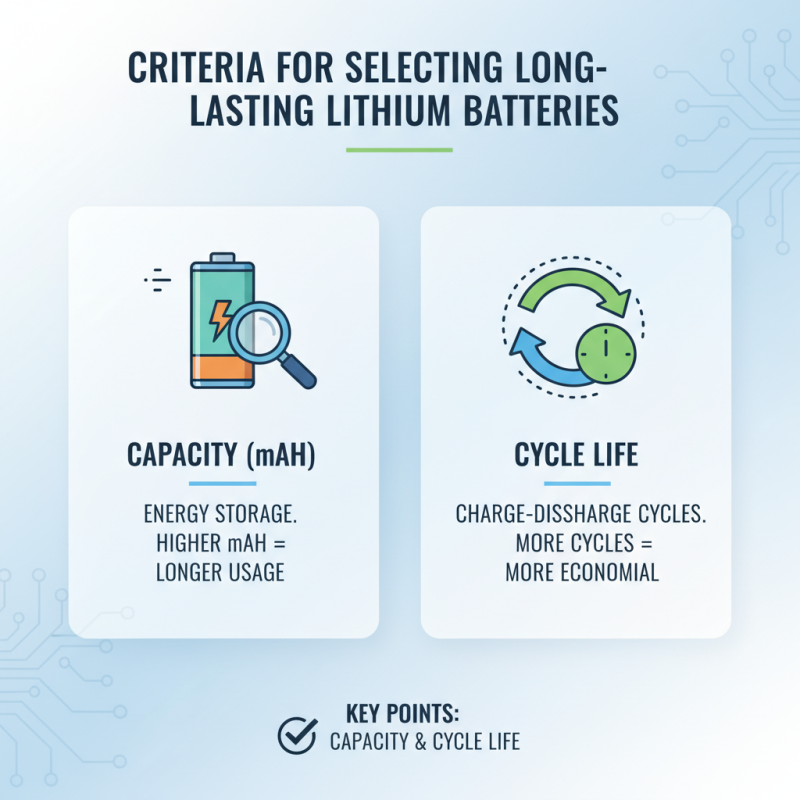
When selecting long-lasting lithium batteries, it’s essential to consider capacity and cycle life. Capacity, measured in milliamp hours (mAh), indicates how much energy the battery can store. Higher mAh ratings often lead to longer usage times. Cycle life refers to the number of charge-discharge cycles a battery can endure before it significantly loses capacity. A battery with a higher cycle life proves more economical in the long run.
Another crucial factor is the discharge rate. This determines how efficiently the battery can deliver power under load. A higher discharge rate is vital for devices that require a quick burst of energy. Additionally, consider the battery’s self-discharge rate. Lithium batteries typically have lower self-discharge rates, meaning they hold their charge longer when not in use.
Lastly, check for safety features. Look for batteries with built-in protection against overheating and overcharging. These features can prevent accidents and prolong the battery life. A reliable battery not only offers convenience but also ensures your devices operate optimally. Picking a battery can sometimes feel overwhelming, but focusing on these criteria can help make the process clearer.
Top 10 Best Rechargeable Lithium Batteries in 2023
When choosing rechargeable lithium batteries in 2023, a few key factors stand out. The capacity, measured in milliampere-hours (mAh), greatly impacts longevity. According to industry reports, batteries with higher mAh ratings generally last longer, providing more power for devices. For example, some batteries boast up to 3600 mAh. However, the chemistry of the battery also plays a vital role in performance and safety.
While shopping for batteries, consider the charge cycles. Many lithium batteries can withstand 500 to 1500 charge cycles before their capacity significantly depletes. This means the investment in quality batteries can lead to long-term savings. However, not all batteries perform equally well over time. Some may degrade faster due to poor manufacturing, leading to disappointing results.
Tips: Always check the customer reviews. They reflect real experiences and issues faced by users. Look for batteries with overheat protection. Safety features can prevent damage and ensure longer use. When possible, compare performance data from reliable sources to make informed decisions. Balancing cost and quality is crucial.
Comparative Analysis of Performance and Longevity
When selecting rechargeable lithium batteries, performance and longevity are vital factors. Understanding how different batteries perform can prevent frustration during usage. For example, some batteries may provide quick bursts of energy, but they could deplete rapidly. In contrast, others may sustain consistent power over time, making them more reliable for long-term use.
The analysis of battery life often reveals trade-offs. Higher capacity batteries might take longer to charge. However, they can offer more cycles of recharge before losing efficiency. Users must weigh the importance of quick charging against the need for durability and extended support. Observing these details will guide you toward a well-informed choice.
Battery chemistry and design impact performance significantly. Some options exhibit impressive cycles but suffer from rapid wear during extreme temperatures. Monitoring real-world performance can highlight both strengths and weaknesses. It's essential to analyze feedback and reviews from trusted sources to find the best match for your needs and preferences. Each battery's performance varies under different conditions, so consider your typical usage scenarios when determining reliability.
Tips for Proper Use and Maintenance of Lithium Batteries
Proper use and maintenance of lithium batteries is crucial for maximizing their lifespan and performance. Industry reports highlight that with proper care, lithium batteries can last over 2,000 charge cycles. This longevity is significantly better than traditional batteries. Keeping batteries at a moderate temperature is vital. Excessive heat can reduce their capacity and life.
Charging practices matter a lot. Avoid letting the battery drop below 20%. Regularly charge batteries within the 20% to 80% range. This practice enhances overall battery health. Additionally, slow charging is preferable. Fast charging may seem appealing but can lead to overheating, which damages cells over time.
Storage conditions also influence battery longevity. Keep batteries in a cool, dry place. If not in use, store them at about 50% charge. This prevents over-discharge and supports healthy cell chemistry. Reports indicate that improper storage can lead to a 30% reduction in battery capacity. Regularly check for swelling or leakage signs. Addressing these issues early can prevent malfunction. These practices can help you harness the full potential of your lithium batteries.
Top 10 Rechargeable Lithium Batteries Performance Comparison
This chart shows the average discharge capacity (in mAh) of the top 10 rechargeable lithium batteries over a usage cycle. Higher values indicate better performance and longer-lasting power.